
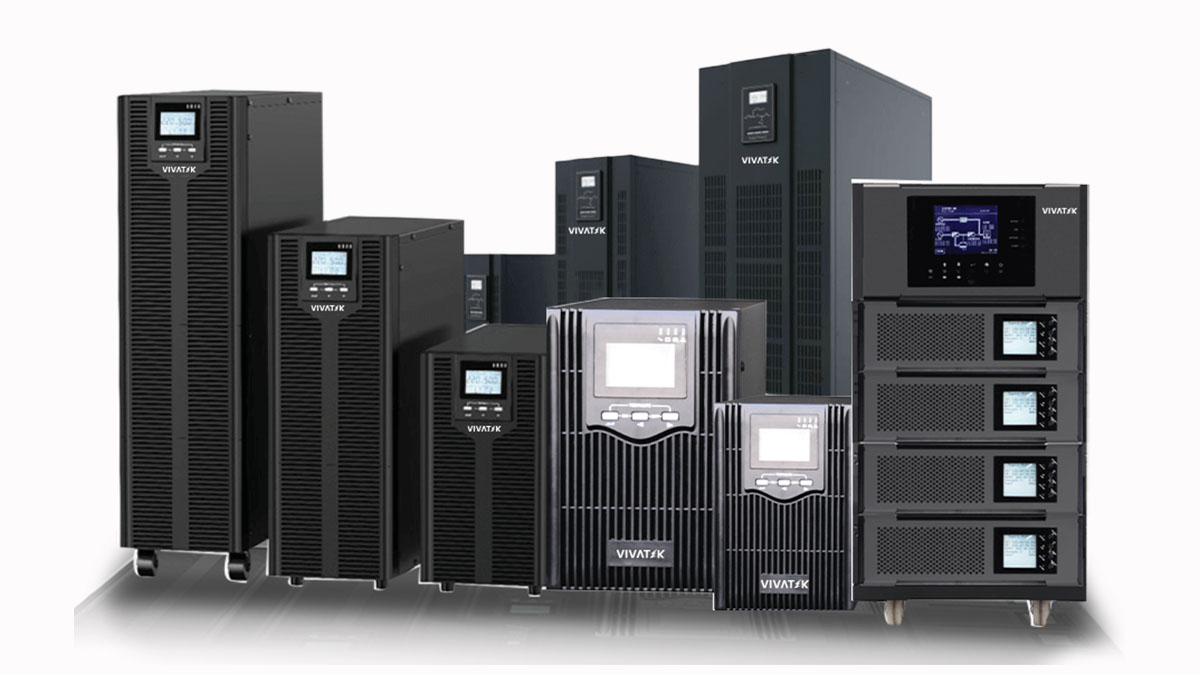
Reliable power has become one of the most important requirements for modern industries and commercial enterprises. Whether it is a manufacturing plant running automated production lines, a hospital operating life-saving equipment, a data center managing business-critical information, or a commercial building supporting hundreds of daily operations, uninterrupted electrical power is essential for maintaining productivity, safety, and operational efficiency.
India’s industrial and commercial sectors continue to expand rapidly, driven by manufacturing growth, digital transformation, infrastructure development, and increasing automation. As industries become more dependent on sensitive electronic equipment and intelligent control systems, even a brief power interruption can result in production delays, equipment damage, data loss, and significant financial losses.
This growing demand has increased the importance of industrial UPS manufacturers in India. More than simply producing UPS equipment, experienced manufacturers provide engineered power protection solutions designed to meet the operational requirements of factories, infrastructure projects, commercial facilities, healthcare institutions, telecom networks, and mission-critical environments.
Industrial UPS systems have evolved from being backup devices into strategic infrastructure that supports business continuity, protects valuable assets, and improves long-term operational reliability. Choosing the right industrial UPS manufacturer is therefore an important investment for organizations seeking dependable power protection and sustainable business growth.
India’s Industrial & Commercial Power Challenges
Despite continuous improvements in India’s electrical infrastructure, industries and commercial facilities continue to face several power quality challenges that directly affect operational performance.
Grid Instability and Voltage Fluctuations
Electrical supply conditions often vary depending on location, demand, and seasonal factors. Voltage fluctuations, surges, sags, and unstable power quality can negatively impact sensitive equipment such as CNC machines, PLC systems, industrial automation, servers, medical equipment, and communication systems.
Industrial UPS systems regulate incoming power and deliver a stable output voltage, helping businesses maintain uninterrupted operations even when utility power becomes unstable.
Unexpected Power Outages
Unexpected power failures remain one of the biggest operational risks for industries. Even a few seconds of downtime may interrupt manufacturing processes, corrupt critical data, stop automated production lines, and reduce overall productivity.
Industrial UPS systems provide immediate backup power without interruption, allowing critical operations to continue until utility power is restored or standby generators become operational.
Harmonics and Poor Power Quality
Modern industrial facilities use variable frequency drives (VFDs), automation equipment, robotics, and non-linear electrical loads that generate harmonic distortion. Poor power quality can reduce equipment efficiency, increase operating temperatures, and shorten the lifespan of electrical components.
Advanced industrial UPS systems are designed to improve power quality and deliver clean, stable electrical output for sensitive industrial applications.
Production Downtime and Financial Losses
Every minute of unexpected downtime can have serious financial consequences. Production delays, missed delivery schedules, equipment restart costs, product waste, and reduced customer confidence all contribute to higher operating expenses.
Reliable UPS solutions minimize these risks by maintaining continuous power during disturbances and helping businesses protect both productivity and profitability.
Protecting Mission-Critical Equipment
Industries rely on equipment that cannot tolerate sudden power interruptions. Data centers, hospitals, telecom networks, laboratories, airports, financial institutions, and industrial automation systems require continuous electrical supply to ensure safe and reliable operation.
Industrial UPS systems provide uninterrupted power while protecting expensive equipment from voltage abnormalities and unexpected shutdowns.
What Is an Industrial UPS Manufacturer?
An industrial UPS manufacturer specializes in designing, engineering, manufacturing, testing, and supporting uninterrupted power supply systems that are built specifically for demanding industrial and commercial environments.
Unlike standard office UPS products, industrial UPS systems are engineered to operate continuously under high electrical loads, challenging environmental conditions, and mission-critical applications where power reliability is essential.
A professional industrial UPS manufacturer provides much more than hardware. Their expertise includes electrical engineering, product design, manufacturing, quality assurance, installation support, system commissioning, preventive maintenance, and long-term technical service.
Difference Between Manufacturing and Assembly
There is an important distinction between manufacturing and simple assembly.
A true industrial UPS manufacturer develops its own engineering designs, validates product performance, performs quality testing, and manufactures systems that meet strict industrial performance standards. Every stage—from component selection and system integration to testing and quality inspection—is carefully managed to ensure long-term reliability.
In contrast, assembly-focused suppliers typically combine purchased components with limited engineering customization, offering fewer options for specialized industrial applications.
Engineering, Design and Quality Standards
Industrial UPS manufacturers invest heavily in engineering expertise to develop products capable of operating under continuous duty cycles, high ambient temperatures, varying electrical loads, and demanding industrial environments.
Product design focuses on reliability, efficiency, safety, maintainability, scalability, and long-term operational performance while supporting modern technologies such as remote monitoring, intelligent battery management, and modular expansion.
Complete Lifecycle Support
Industrial UPS systems are long-term infrastructure investments. Manufacturers therefore provide complete lifecycle support, including system selection, engineering consultation, installation guidance, preventive maintenance, spare parts availability, software updates, technical assistance, and annual maintenance services to maximize system performance throughout its operational life.
Why Industrial UPS Systems Matter
Industrial and commercial operations depend on reliable electrical power to maintain continuous production, protect valuable assets, and ensure uninterrupted business performance. Industrial UPS systems play an important role in supporting these objectives.
Business Continuity
Unexpected power interruptions can halt production lines, disrupt services, and delay business operations. Industrial UPS systems provide continuous power that helps organizations maintain productivity during utility power disturbances.
Equipment Protection
Modern industries operate sophisticated electrical equipment that is highly sensitive to voltage fluctuations and sudden outages. UPS systems protect these assets by supplying stable, conditioned power that minimizes electrical stress and extends equipment life.
Employee Safety
Power interruptions may create unsafe working conditions in factories, hospitals, laboratories, and commercial buildings. Reliable UPS systems support emergency lighting, safety systems, fire protection equipment, access control, and critical monitoring devices during power failures.
Data Protection
Business-critical information stored in servers, industrial computers, automation systems, and communication networks can be permanently lost if power is interrupted unexpectedly. UPS systems provide sufficient backup time for safe data saving and controlled system shutdown.
Process Reliability
Industrial manufacturing often involves continuous production processes where even minor interruptions can affect product quality, increase waste, and reduce operational efficiency. Stable UPS power helps maintain process consistency and production reliability.
Lower Total Cost of Ownership
Although industrial UPS systems represent an important investment, they significantly reduce maintenance costs, equipment replacement expenses, production losses, and unexpected downtime. Over the long term, a well-designed UPS system delivers measurable operational and financial benefits.
Industrial UPS vs Commercial UPS
Although both industrial and commercial UPS systems provide backup power, they are designed for different operating environments and business requirements.
| Feature | Industrial UPS | Commercial UPS |
|---|---|---|
| Primary Application | Manufacturing plants, process industries, infrastructure, healthcare, telecom, utilities | Offices, retail stores, educational institutions, commercial buildings |
| Operating Environment | Continuous 24×7 industrial operations | Standard business operations |
| Load Capacity | High-capacity three-phase industrial loads | Light to medium commercial loads |
| Equipment Supported | Heavy machinery, PLCs, automation systems, industrial servers | Computers, printers, networking equipment, office electronics |
| Environmental Conditions | Dust, heat, vibration, harsh industrial environments | Clean indoor commercial environments |
| Reliability Requirements | Mission-critical operations requiring maximum uptime | General business continuity |
| Design Life | Long operational lifecycle with industrial-grade components | Standard commercial lifecycle |
| Maintenance Strategy | Preventive maintenance and lifecycle support | Routine maintenance |
| Scalability | Modular expansion and redundancy options | Limited scalability |
| Typical Users | Manufacturing plants, hospitals, data centers, airports, telecom, utilities, EPC projects | Offices, banks, schools, retail outlets, small commercial facilities |
Understanding these differences helps organizations select a UPS solution that matches their operational needs, ensuring reliable power protection, improved efficiency, and long-term business continuity.
Types of Industrial UPS Systems
Industrial and commercial facilities operate with different electrical loads, backup requirements, and operating environments. Choosing the right type of UPS system is essential for ensuring uninterrupted power, protecting valuable equipment, and supporting long-term business operations. Industrial UPS manufacturers provide a wide range of solutions designed to meet the needs of manufacturing plants, commercial buildings, hospitals, data centers, telecom networks, and other critical infrastructure.
Single Phase Online UPS (1PH–1PH)
Single Phase Online UPS systems are designed for small and medium-sized commercial applications where clean, continuous power is essential. These systems use online double-conversion technology to deliver stable voltage and frequency while protecting connected equipment from power interruptions, voltage fluctuations, surges, and electrical noise.
They are commonly installed in commercial offices, banks, retail outlets, clinics, laboratories, educational institutions, and small manufacturing facilities where business continuity is important.
Three Phase Input – Single Phase Output UPS (3PH–1PH)
Many industrial and commercial facilities receive three-phase utility power while operating sensitive single-phase equipment. A Three Phase Input – Single Phase Output UPS efficiently converts the incoming three-phase supply into stable single-phase output, ensuring reliable power for critical loads.
This configuration is widely used for control rooms, communication systems, medical equipment, security systems, laboratories, server rooms, and industrial automation panels where dependable single-phase power is required.
Three Phase Online UPS (3PH–3PH)
Three Phase Online UPS systems are engineered for heavy-duty industrial and commercial applications with high-capacity electrical loads. These systems provide continuous power protection for mission-critical equipment while maintaining stable voltage, frequency, and power quality under demanding operating conditions.
Three-phase UPS systems are commonly deployed in manufacturing plants, process industries, pharmaceutical facilities, airports, railway infrastructure, hospitals, commercial complexes, utility substations, and large data centers where uninterrupted operation is essential.
Transformer-Based UPS
Transformer-Based UPS systems are designed for applications requiring high electrical isolation, superior overload capability, and exceptional durability. Their robust construction allows reliable operation even in harsh industrial environments with heavy machinery, non-linear loads, and fluctuating power conditions.
These systems are preferred in industries such as oil and gas, power generation, steel manufacturing, mining, cement production, and heavy engineering, where reliability is often more important than compact size.
Transformerless UPS
Transformerless UPS systems offer a compact design, high operating efficiency, lower heat generation, and reduced installation space. Advanced power electronics enable these systems to deliver excellent power quality while reducing overall energy consumption.
They are well suited for commercial buildings, IT infrastructure, financial institutions, healthcare facilities, modern manufacturing plants, and data centers seeking energy-efficient power protection solutions.
Modular UPS Systems
Modular UPS systems are designed to support growing businesses by allowing power capacity to be expanded without replacing the complete UPS infrastructure. Individual power modules can be added or replaced while the system remains operational, minimizing downtime and simplifying maintenance.
These systems are widely used in hyperscale data centers, telecom facilities, hospitals, airports, financial institutions, and large industrial plants where scalability, redundancy, and high system availability are critical.
Line Interactive UPS
Line Interactive UPS systems provide reliable backup power for commercial applications where occasional voltage fluctuations and short-duration outages occur. Automatic Voltage Regulation (AVR) helps stabilize the incoming power supply without frequently switching to battery operation, extending battery life and improving overall efficiency.
They are commonly used for office workstations, networking equipment, point-of-sale systems, small businesses, educational institutions, and commercial facilities requiring cost-effective power protection.
Key Features of Industrial UPS Systems
Modern industrial UPS systems are designed with advanced technologies that ensure reliable performance, high efficiency, and continuous power protection in demanding industrial and commercial environments.
Online Double Conversion Technology
Online Double Conversion technology continuously converts incoming AC power into DC and then back into clean AC output. This process completely isolates connected equipment from voltage fluctuations, frequency variations, electrical noise, and power interruptions, ensuring uninterrupted operation.
DSP Controlled Architecture
Digital Signal Processing (DSP) technology continuously monitors system performance and optimizes UPS operation in real time. It improves voltage regulation, system stability, fault detection, and overall reliability while enhancing operational efficiency.
IGBT Technology
Insulated Gate Bipolar Transistor (IGBT) technology enables high switching efficiency, lower power losses, improved output quality, and enhanced system performance. It contributes to better energy efficiency and dependable operation under varying load conditions.
Wide Input Voltage Range
Industrial UPS systems are capable of operating across a broad input voltage range without unnecessarily switching to battery power. This capability reduces battery wear while maintaining stable output during fluctuating grid conditions.
High Energy Efficiency
Modern UPS systems are engineered to deliver high operating efficiency, reducing power losses, operating costs, and cooling requirements. Energy-efficient designs also support sustainability goals and lower the total cost of ownership.
Automatic Static Bypass
An Automatic Static Bypass transfers the connected load to an alternative power source whenever maintenance or internal faults occur, ensuring continuous operation without interrupting critical equipment.
Parallel Redundancy
Parallel redundancy allows multiple UPS systems to operate together, providing additional capacity and backup protection. If one module experiences a fault, the remaining systems continue supplying power, significantly improving system availability.
Remote Monitoring
Integrated monitoring systems enable facility managers and maintenance teams to monitor UPS performance remotely through communication networks. Real-time alerts, performance reports, and diagnostics support proactive maintenance and faster issue resolution.
Intelligent Battery Management
Advanced battery management continuously monitors battery health, charging status, temperature, and performance. This helps maximize battery life, improve backup reliability, and reduce unexpected failures.
LCD Display and User Interface
Industrial UPS systems feature intuitive display panels that provide real-time information on operating status, alarms, input and output parameters, battery condition, and system performance, allowing operators to monitor equipment with ease.
SNMP and Communication Interfaces
Support for SNMP, Modbus, RS-232, RS-485, and Ethernet communication enables seamless integration with Building Management Systems (BMS), Energy Management Systems (EMS), and remote monitoring platforms.
Scalable Architecture
Scalable UPS designs allow organizations to expand power capacity as business operations grow. This flexibility supports future infrastructure upgrades while protecting the initial investment.
Industrial & Commercial Applications
Industrial UPS systems support uninterrupted power across a wide range of sectors where reliable electricity is essential for operational continuity, equipment protection, and business productivity.
Manufacturing Plants
Industrial UPS systems protect CNC machines, robotic production lines, PLCs, automation equipment, and quality control systems, helping manufacturers minimize downtime and maintain continuous production.
Textile Industries
Textile manufacturing depends on continuous power for spinning, weaving, dyeing, and finishing processes. UPS systems help prevent production interruptions, material waste, and equipment damage.
Automobile Manufacturing
Automotive production facilities use UPS systems to support robotic assembly lines, automated welding, painting systems, conveyor operations, and quality inspection equipment.
Pharmaceutical Industries
Pharmaceutical manufacturing requires uninterrupted power for production, laboratory equipment, HVAC systems, environmental controls, and quality assurance processes to maintain product integrity and regulatory compliance.
Hospitals & Healthcare
Hospitals rely on UPS systems to support operating theatres, diagnostic imaging equipment, intensive care units, laboratory instruments, patient monitoring systems, and emergency services without interruption.
Data Centers
Data centers require continuous power to protect servers, storage systems, networking equipment, and cloud infrastructure. UPS systems prevent downtime, data loss, and service interruptions.
Commercial Buildings
Commercial complexes use UPS systems for elevators, fire safety systems, emergency lighting, security infrastructure, HVAC controls, and facility management systems.
Corporate Offices
UPS systems protect computers, communication networks, conference facilities, and business-critical IT infrastructure, ensuring uninterrupted office operations.
Telecom Infrastructure
Telecommunication networks require reliable backup power for switching equipment, transmission systems, communication towers, and network control centers to maintain continuous connectivity.
Banking & Financial Institutions
Banks depend on UPS systems to support ATMs, servers, transaction processing systems, security infrastructure, and customer service operations during power disturbances.
Educational Institutions
Universities, schools, research laboratories, and training centers use UPS systems to protect digital classrooms, laboratory equipment, servers, and campus communication systems.
Airports
Airports rely on industrial UPS systems to support air traffic control, baggage handling, security systems, passenger information displays, navigation equipment, and emergency operations.
Railways
Railway infrastructure uses UPS systems to ensure uninterrupted operation of signaling systems, communication networks, station control rooms, ticketing systems, and passenger safety equipment.
Oil & Gas Industries
Oil and gas facilities require dependable UPS systems to protect process automation, drilling operations, safety systems, instrumentation, and control centers operating in demanding environments.
Warehouses & Logistics
Modern warehouses depend on UPS systems for warehouse management software, barcode scanning systems, conveyor automation, inventory control, and distribution operations.
Government Infrastructure
Government offices, defense facilities, public utilities, emergency response centers, and municipal infrastructure rely on industrial UPS systems to ensure uninterrupted public services and operational reliability.