A Battery Energy Storage System stores electrical energy in batteries and makes that energy available when required.
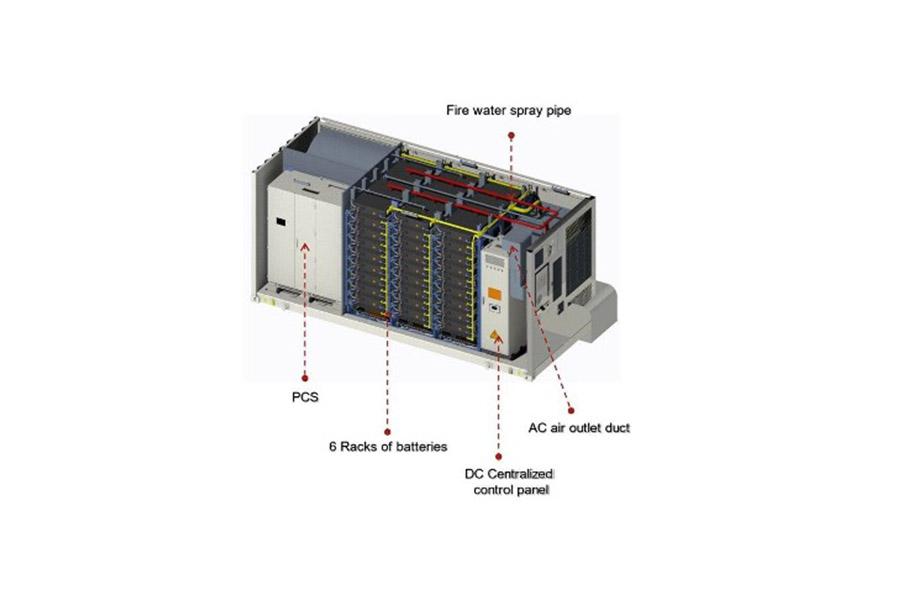
A complete BESS installation can include the battery system, Battery Management System (BMS), Power Conversion System (PCS), Energy Management System (EMS), protection equipment, thermal management, monitoring, and the required enclosure or container.
The system can be designed around different objectives. Some customers need energy storage for solar utilization, while others need peak-load support, backup, energy shifting, or a combination of applications.
The right configuration depends on the facility, electrical supply, load profile, operating schedule, and required storage duration.
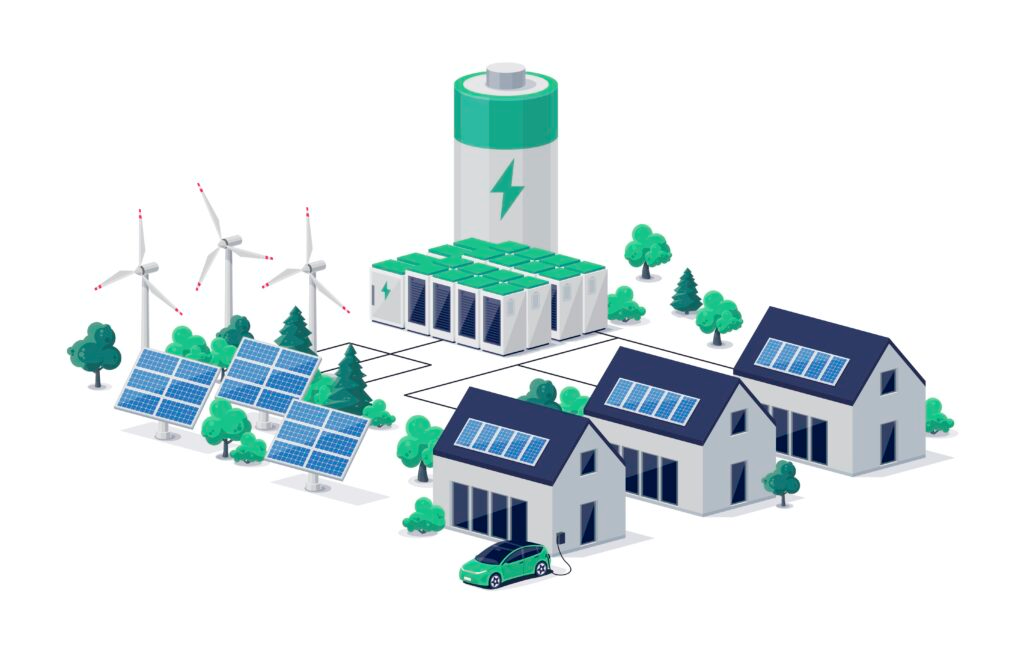
BESS can be supplied in different physical and electrical configurations depending on project size.
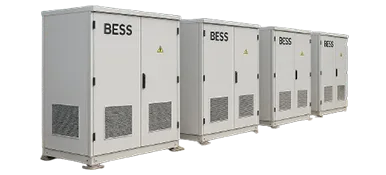
The required storage capacity varies considerably between applications.
Suitable for selected commercial loads, smaller solar installations, and applications requiring limited stored energy.
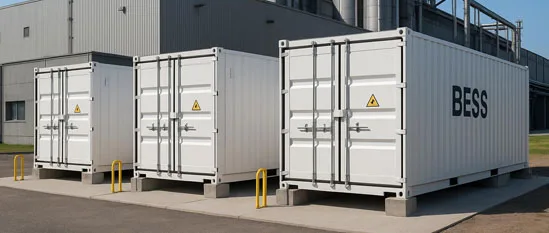
Can be considered for larger commercial facilities, industrial loads, solar-plus-storage projects, and demand-management applications.
Designed for larger energy requirements where higher power, greater energy capacity, extended operation, or integration with multiple power sources is required.
When solar generation exceeds immediate consumption, available energy can be stored for later use where the system architecture supports it.
Stored energy can be used during a different operating period instead of consuming electricity directly at that time.
Battery discharge can potentially support selected loads during periods of high demand.
The system can be designed to supply designated critical loads during an interruption.
Storage can help businesses make greater use of generated solar energy when production and consumption occur at different times.
BESS can operate as part of a system combining solar, grid supply, generator power, and critical loads.
Solar generation is not always available when electricity demand is highest.
A battery can bridge this timing difference.
For example, a factory may generate significant solar power during the afternoon but continue operating after sunset. A suitably designed BESS can store available energy and make it available later.
We can evaluate:
Solar → BESS → Critical / Commercial / Industrial Loads
The final configuration depends on the solar inverter architecture, load profile, battery capacity, and intended operating strategy.
You do not necessarily need to build a new solar project to consider energy storage.
Existing rooftop and ground-mounted solar plants can be assessed for BESS integration.
We review:
Depending on the installation, AC-coupled or DC-coupled architecture may be considered.
For new solar projects, storage can be considered during the initial engineering stage.
Planning solar and BESS together can help the project team determine:
This is particularly useful for industrial and commercial projects where energy consumption continues outside solar-generation hours.
In an AC-coupled arrangement, the battery system connects to the AC electrical network through its power-conversion equipment.
This architecture can be useful for certain existing solar installations because storage can potentially be added without redesigning the complete solar DC system.
Suitability depends on the existing electrical arrangement and project objectives.
In a DC-coupled system, solar generation and battery storage can share part of the DC-side architecture.
This can be considered during new solar-project design where the system is engineered from the beginning around combined solar and storage operation.
The appropriate architecture depends on the solar equipment, battery system, inverter arrangement, and intended operating strategy.
High-demand periods can increase electricity costs for some commercial and industrial users.
A BESS may be configured to discharge during selected periods and reduce the amount of power drawn from the grid.
However, savings cannot be determined from battery capacity alone.
We recommend reviewing:
This allows the potential business case to be assessed more realistically.
Energy shifting means storing electricity at one time and using it later.
This can be useful when:
The required battery size depends on how much energy needs to be shifted and for how long.
Not every electrical load needs to be connected to the BESS.
For many facilities, it is more practical to identify critical loads and provide stored energy specifically for those systems.
Examples include:
This approach can reduce unnecessary battery capacity while protecting the equipment that matters most.
Generators and BESS can perform different roles within the same facility.
The BESS can provide immediate stored energy for selected loads, while the generator can provide longer-duration generation after starting and stabilizing.
A coordinated system may include:
Grid + BESS + Generator + Solar + Critical Loads
Generator compatibility, UPS requirements, load characteristics, transfer arrangements, and control strategy should be reviewed during design.
For larger facilities, BESS can form part of a microgrid or hybrid energy system.
A microgrid may coordinate several sources and loads, such as:
This can provide greater flexibility in how energy is generated, stored, and consumed.
Such projects require detailed electrical and control-system engineering.
Support selected production equipment, controls and essential electrical loads during planned or unplanned power events.
Suitable for facilities using automation, electronic controls, machinery and other power-sensitive equipment.
Help make better use of generated solar energy and support selected loads during high-demand operating periods.
Provide controlled energy storage for important processes, instrumentation and electrical systems where continuity is required.
Support critical operations and help businesses manage energy generated from renewable sources.
Combine solar generation and battery storage to make better use of available energy and support facility operations.
Store energy and support selected building loads according to the facility’s operating schedule.
Help manage energy use while supporting selected essential services.
Can be integrated into a broader power-continuity system for designated critical loads.
Combine solar and storage to improve the use of locally generated electricity.
Support energy-storage requirements alongside UPS and other power-protection systems where appropriate.
Provide additional energy-storage capability for communication and remote infrastructure.
Help manage high-demand periods and make better use of stored or solar-generated energy.
Technology environments can require dependable power for servers, networking, communications, and supporting systems.
BESS can be considered as part of a wider power-continuity architecture.
Depending on the application, the design may include UPS systems, batteries, generators, solar, BESS, and monitoring.
The critical-load requirement should be clearly defined before selecting the storage system.

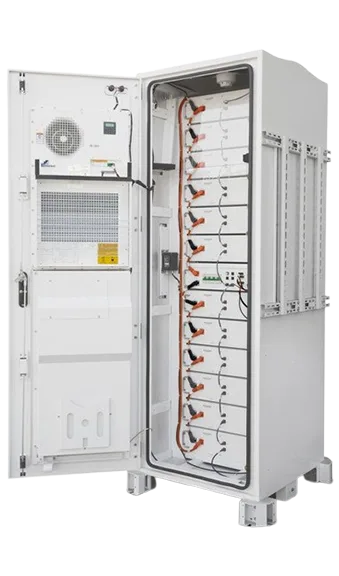
Store electrical energy and provide the required power when the system operates.

Monitors battery condition and helps maintain safe and controlled operation.

Converts battery DC power into usable AC power and manages energy flow.

Controls charging, discharging and overall energy usage according to the application.

Helps maintain suitable operating temperatures for safe and stable battery performance.

Provides electrical protection, isolation and safety functions for the storage system.

Provides information about battery status, power flow, alarms and system performance.cmn
Two measurements are important when selecting BESS.
kW / MW represents the power that the system can deliver.
kWh / MWh represents the amount of energy that can be stored.
For example, a customer may need high power for a short period or lower power for several hours.
Therefore, the BESS should be sized around both power and energy requirements.
We review the actual application before preparing a recommendation.
The assessment can include:
Where available, electricity bills, load data, solar-generation data, and single-line diagrams can make the assessment more accurate.
Battery runtime depends on the energy stored and the load being supplied.
A larger load consumes stored energy more quickly.
Runtime is also affected by the usable battery capacity, operating limits, efficiency, temperature, battery condition, and system configuration.
Therefore, a requested runtime such as “two hours” must always be considered together with the actual load.
Before a large BESS project is finalized, the site should be assessed.
Our technical review can consider:
This helps identify practical requirements before equipment is ordered.
Safety is an important part of energy-storage design.
Depending on the selected system, appropriate provisions can include:
The final safety arrangement should follow the selected equipment manufacturer’s requirements and applicable project standards.
Energy storage becomes more useful when the customer can understand how the system is operating.
Depending on the selected equipment, monitoring can provide information about:
An EMS can control when energy is stored and when it is supplied according to the project’s operating requirements.
After the system is supplied, installation and commissioning should be carried out according to the equipment requirements and approved project design.
Activities may include:
Equipment placement → Electrical connections → Battery connections → Communication setup → Protection checks → System configuration → Functional testing → Commissioning
The exact scope depends on the project.
Before handover, appropriate checks can be performed to verify system operation.
Testing may include:
Project-specific testing can be agreed according to the application.
Energy-storage systems require planned maintenance.
Service activities can include:
Regular service can help identify issues before they affect the operation of the installation.
Battery systems have a defined operating life and their condition changes over time.
When replacement becomes necessary, the new battery should be compatible with the BESS architecture, BMS, PCS, charging requirements, and system controls.
If future capacity expansion is expected, it is better to consider that requirement during the initial design.
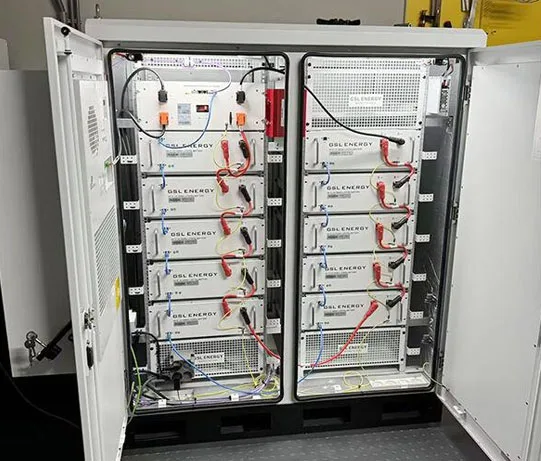
We understand that a BESS is part of a larger electrical system.
Our team can work around the customer’s application, whether the requirement involves Vivatek, a multi-brand system, solar integration, industrial backup, peak management, or a larger energy-storage project.
We focus on practical system selection, technical coordination, supply, installation support, commissioning, and long-term service.
BESS means Battery Energy Storage System. It stores electrical energy and supplies it later according to the system’s operating strategy.
Yes. BESS can be designed for new solar projects or evaluated for integration with existing solar installations.
Yes. BESS and generators can be coordinated in a hybrid power system when properly engineered.
Yes. We accept enquiries from dealers and distributors interested in BESS product and project supply.
The required size depends on the required power, energy consumption, operating duration, solar generation, backup requirement, and intended operating strategy.
The choice depends on the application, cycling requirement, space, temperature, lifecycle expectations, safety requirements, and project economics.
Not necessarily. BESS and UPS systems can serve different purposes. A project may use both depending on the required power continuity and energy-storage application.
Possibly. The existing solar inverter, electrical system, load profile, battery requirement, and available space should be assessed first.
Yes. Vivatek is our own brand, and we also evaluate suitable multi-brand BESS solutions according to project requirements.
Yes. EPC contractors and system integrators can approach us for technical evaluation, equipment supply, project requirements, and commissioning support.
There is no standard duration. Runtime depends mainly on the usable stored energy and the load being supplied.
There is no single price because the complete system configuration varies. Share your required power, energy capacity, application, and project details for a meaningful quotation.
