
Introduction
Industrial power systems depend heavily on reliable DC backup infrastructure for continuous operation of protection systems, control circuits, automation equipment, and communication networks. In many industries, even a short power interruption can affect production, safety systems, relay protection, and operational stability.
This is why industrial DC charger panels are widely used across substations, manufacturing industries, telecom infrastructure, railway systems, process plants, oil & gas facilities, and industrial automation environments.
Many industrial facilities across India experience unstable utility supply, voltage disturbances, and unexpected power interruptions during peak operational hours. Reliable DC charger panels help maintain uninterrupted backup power for critical systems and battery banks to reduce downtime risks and improve operational continuity.
Industrial DC charger panels are designed to provide stable DC output, battery charging support, and emergency backup power for industrial applications where system reliability is extremely important.
What Is an Industrial DC Charger Panel?
An industrial DC charger panel is a power conversion and battery charging system that converts AC supply into regulated DC power for industrial control systems, substations, battery banks, telecom equipment, and automation infrastructure.
Why Do Industries Use DC Charger Panels?
Industries use DC charger panels because many critical industrial systems operate on DC power.
These include:
- Protection relays
- Trip circuits
- Control panels
- PLC systems
- Emergency shutdown systems
- Communication networks
- SCADA systems
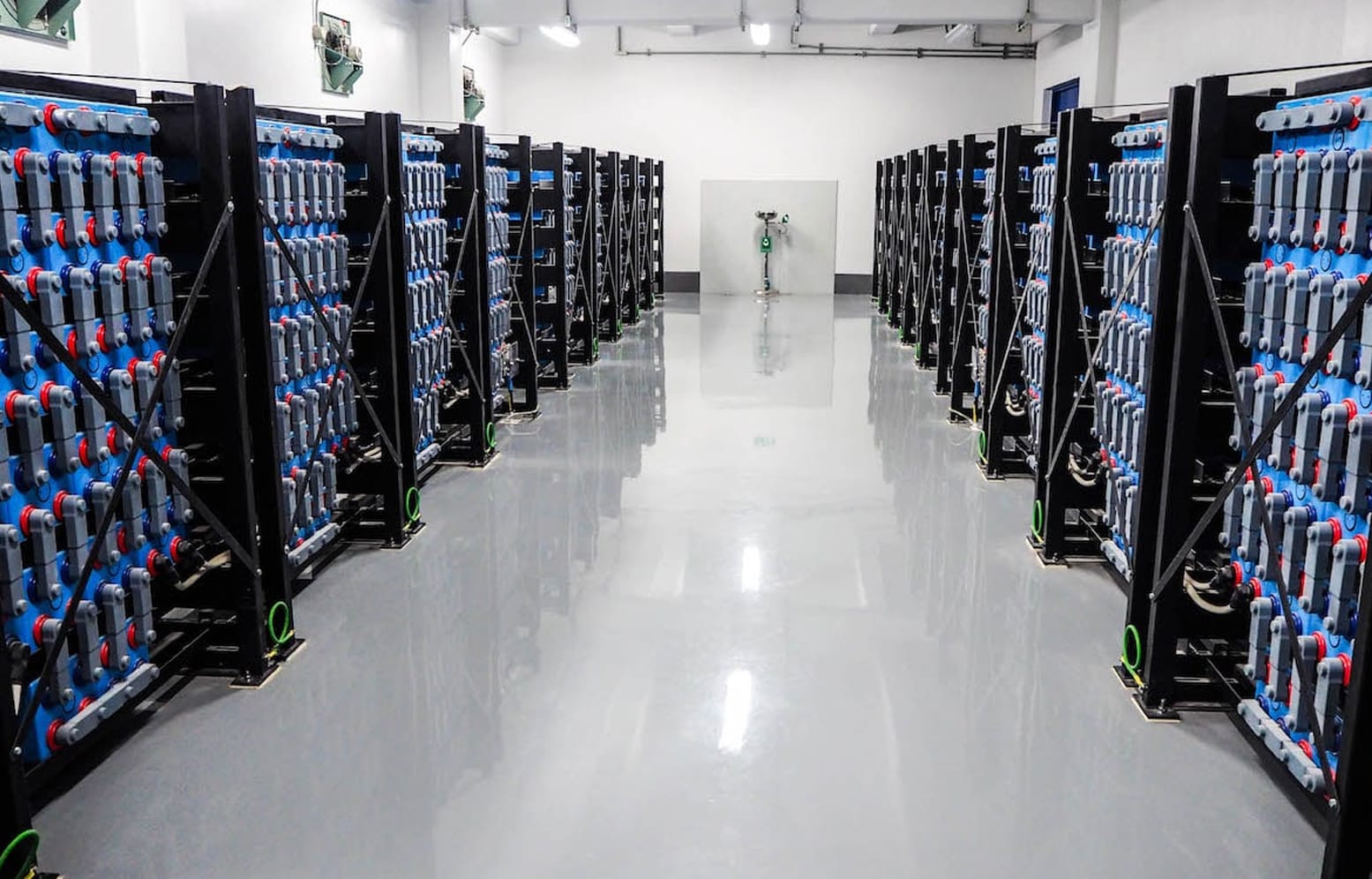
- Battery banks
- Signaling infrastructure
If DC backup fails, industrial operations may experience equipment malfunction, operational shutdown, or safety risks.
Reliable DC charger panels help maintain continuous operation during power disturbances.
How Does an Industrial DC Charger Panel Work?
An industrial DC charger panel receives incoming AC supply and converts it into stable DC output using rectifier technology.
The system performs two important functions:
- Supplies DC power to connected loads
- Charges connected battery banks simultaneously
When AC supply fails, the battery bank automatically supplies backup power to connected systems without interruption.
This uninterrupted operation is critical in industries where continuous monitoring, protection, and control functions are required.
Why Is DC Backup Important in Industrial Applications?
DC backup systems help maintain uninterrupted operation of critical electrical and automation systems during AC power failure.
Without reliable DC backup:
- Relay protection systems may stop working
- Breakers may fail to trip
- PLC systems may shut down
- Communication systems may fail
- Automation systems may stop operating
- Emergency safety systems may become inactive
This can create major operational and safety risks in industrial environments.
Common Applications of Industrial DC Charger Panels
| Industry | Application | Purpose |
|---|---|---|
| Electrical Substations | Relay protection systems | Reliable trip circuit operation |
| Telecom Infrastructure | Telecom battery charging | Continuous network uptime |
| Manufacturing Industries | PLC & automation systems | Prevents production interruption |
| Power Plants | Emergency DC systems | Maintains operational safety |
| Railways | Signaling systems | Continuous communication support |
| Oil & Gas Industries | Shutdown systems | Safety and emergency operation |
| Data Centers | Control power systems | Reliable infrastructure backup |
Why Do Substations Require Industrial DC Charger Panels?
Substations depend on uninterrupted DC power for protection and control operations.
Important substation systems operating on DC include:
- Protection relays
- Trip coils
- Circuit breaker operation
- Alarm systems
- Indication systems
- Control circuits
- Emergency operations
Even during complete AC power failure, these systems must continue operating.
Industrial DC charger panels help ensure reliable backup power for these critical applications.
Why Are Industrial DC Charger Panels Important for Telecom Infrastructure?
Telecom networks require continuous backup power because communication systems must remain operational 24/7.
Industrial DC charger panels support:
- Telecom battery banks
- Communication towers
- Signal transmission systems
- Network infrastructure
- Rectifier systems
- Emergency backup systems
Power interruptions in telecom infrastructure can lead to network downtime and communication failure.
Reliable DC charging systems help maintain operational continuity.
What Are the Main Components of a DC Charger Panel?
An industrial DC charger panel typically includes:
- SMPS rectifier modules
- Control transformer
- Battery charging system
- DC distribution section
- Monitoring systems
- Protection devices
- MCCB/MCB protection
- Alarm indicators
- Digital metering systems
- Cooling arrangement
- Battery bank integration
Modern charger panels also include intelligent monitoring systems for operational diagnostics and preventive maintenance.
SMPS DC Charger vs Conventional Charger Systems
| Feature | SMPS DC Charger | Conventional Charger |
|---|---|---|
| Efficiency | High | Moderate |
| Ripple Content | Low | Higher |
| Battery Protection | Better | Standard |
| Energy Consumption | Lower | Higher |
| Monitoring Features | Advanced | Limited |
| Size | Compact | Larger |
| Charging Stability | Excellent | Moderate |
Many industries now prefer SMPS-based industrial DC charger panels because of improved efficiency, better battery charging performance, and advanced monitoring capabilities.
What Problems Can Occur Without Proper DC Charging Systems?
Industries often face operational issues when charger systems are improperly selected or poorly maintained.
Common problems include:
- Battery overcharging
- Battery undercharging
- DC voltage fluctuation
- Charger overheating
- Battery backup failure
- Relay malfunction
- Breaker tripping failure
- Reduced battery life
- PLC shutdown
- Communication interruption
These problems can affect industrial productivity, safety, and infrastructure reliability.
How Do Industrial DC Charger Panels Improve Reliability?
Industrial DC charger systems help improve:
- System uptime
- Battery reliability
- Backup stability
- Operational continuity
- Electrical protection performance
- Automation system reliability
- Industrial safety
- Infrastructure stability
In many manufacturing facilities, uninterrupted DC backup is essential for maintaining continuous operations.
How to Select the Right Industrial DC Charger Panel?
Proper charger selection depends on load requirement, battery capacity, backup duration, system voltage, redundancy requirement, and operating conditions.
Important Factors for DC Charger Panel Selection
1. Battery Bank Capacity
The charger must support the connected battery bank size and charging requirement.
2. Connected DC Load
Total connected DC load should be calculated properly to avoid overload conditions.
3. System Voltage
Common industrial DC voltages include:
- 24V DC
- 48V DC
- 110V DC
- 220V DC
4. Backup Time Requirement
Industries must determine required backup duration during power failure conditions.
5. Environmental Conditions
Dust, humidity, temperature, and ventilation affect charger performance and reliability.
6. Redundancy Requirement
Critical industries often require redundant charger systems for higher operational reliability.
Common Industrial DC Backup Problems We Help Solve
Industrial facilities commonly face:
- Unstable battery charging
- Battery overheating
- Ripple voltage problems
- Relay operation failure
- Charger module failure
- DC voltage instability
- Backup downtime
- Battery bank imbalance
- PLC shutdown during power failure
- Communication system interruption
Proper charger panel selection and maintenance help reduce these operational risks.
Industrial Use Case
Many manufacturing industries across India experience unstable utility supply and unexpected power disturbances during peak operational conditions.
In automation facilities and substations, unreliable DC supply can affect protection relays, communication systems, breaker operation, and industrial control systems.
Industrial DC charger panels help maintain stable DC power for battery banks, relay protection systems, telecom infrastructure, PLC systems, and automation equipment to improve operational continuity and reduce downtime risks.
Why Are Monitoring Features Important in Modern DC Charger Panels?
Modern industrial charger systems include intelligent monitoring features to detect:
- Battery failure
- High temperature conditions
- Charger overload
- Low DC voltage
- Ripple current issues
- Battery charging abnormalities
- System alarms
These monitoring systems improve preventive maintenance and reduce unexpected operational failure.
Industries Using Industrial DC Charger Panels
Industrial DC charger panels are widely used in:
- Electrical substations
- Telecom industries
- Manufacturing facilities
- Automation industries
- Railways
- Oil & gas plants
- Process industries
- Power generation facilities
- Data centers
- Infrastructure projects
Frequently Asked Questions
What is the purpose of an industrial DC charger panel?
Industrial DC charger panels provide regulated DC power and battery charging support for industrial backup systems, substations, telecom infrastructure, and automation equipment.
Why are DC charger panels important in substations?
They maintain uninterrupted DC power for relay protection systems, breaker operations, alarm systems, and control circuits during AC power failure.
What is the difference between SMPS and conventional DC chargers?
SMPS chargers provide higher efficiency, lower ripple content, compact size, and better charging performance compared to conventional charger systems.
Which industries use DC charger panels?
Substations, telecom infrastructure, manufacturing industries, railways, power plants, automation systems, oil & gas industries, and data centers commonly use DC charger panels.
What causes industrial battery charging problems?
Common causes include overloading, poor charger sizing, ripple current, battery aging, overheating, unstable input supply, and inadequate maintenance.
How do DC charger panels improve battery life?
Proper charging control helps prevent overcharging, undercharging, overheating, and voltage instability, improving long-term battery performance.
Conclusion
Industrial DC charger panels play an important role in maintaining uninterrupted backup power for substations, telecom infrastructure, industrial automation systems, battery banks, and protection circuits.
As industries become increasingly dependent on automation, communication systems, and continuous operational reliability, stable DC backup infrastructure becomes essential for equipment protection, safety, and operational continuity.
Proper charger panel selection, battery integration, monitoring systems, and preventive maintenance help industries improve backup reliability and reduce operational downtime risks.
Vivatek provides industrial DC charger panel solutions for substations, telecom systems, industrial automation infrastructure, battery banks, and critical power backup applications across India.
Talk to Our Technical Team
Need help selecting the right industrial DC charger panel for your application?
📞 Contact: +91 9566117188 / 9841698180
📧 Email: sales@anushri.info
🌐 Website: https://anushri.info/
Our technical team can assist with:
- DC charger sizing
- Battery bank integration
- Substation DC systems
- Telecom charger applications
- Industrial battery charging systems
- SMPS charger solutions
- Backup system optimization
- Industrial DC infrastructure planning