
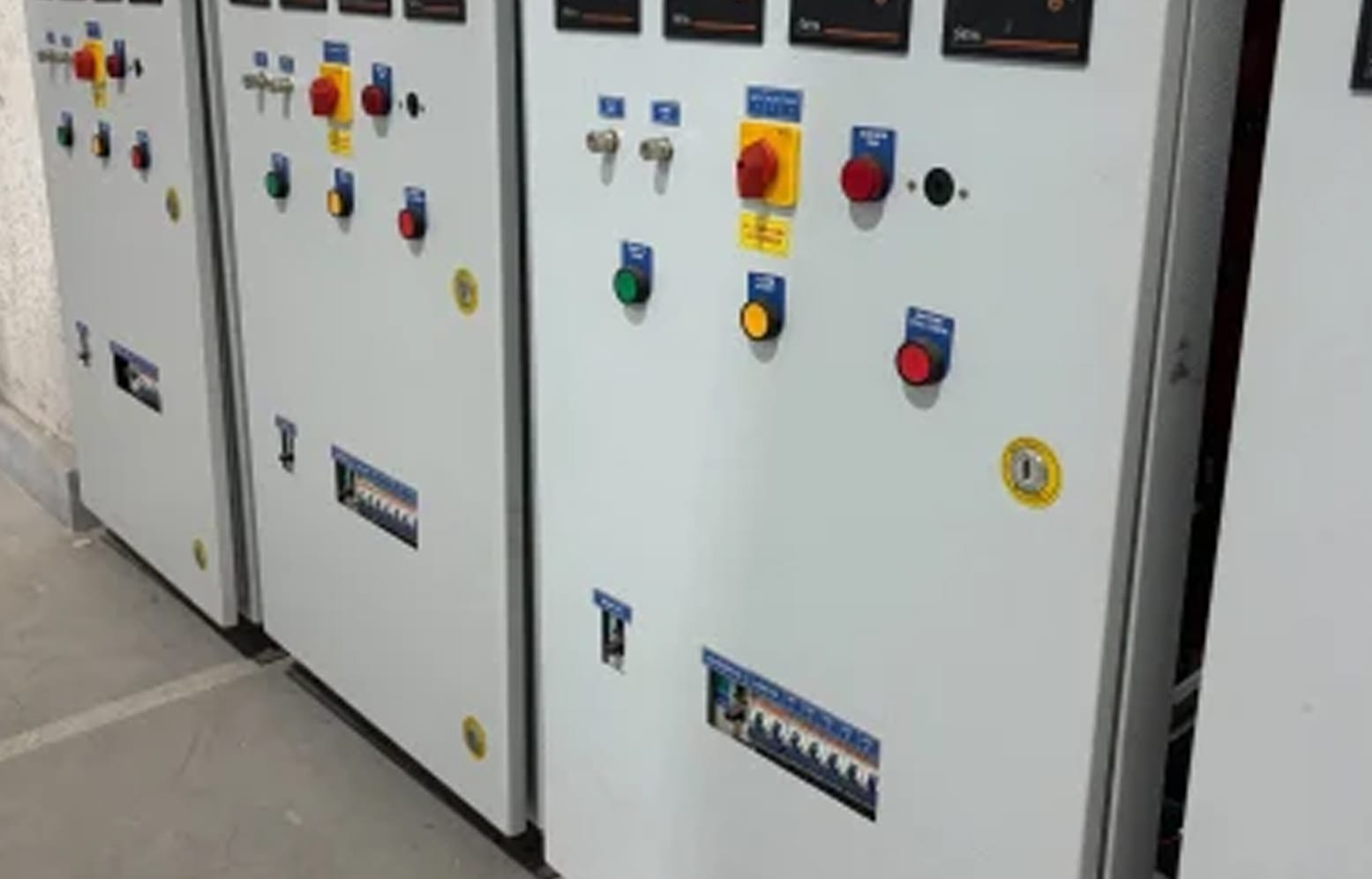
Industrial battery chargers play a critical role in maintaining reliable backup power systems across telecom infrastructure, substations, manufacturing industries, UPS systems, solar projects, and automation facilities. Many industries in India depend on stable battery charging systems to avoid operational interruption, unexpected downtime, communication failure, and backup instability during power fluctuation conditions.
Industrial battery charger prices in India vary based on charger voltage, charging current, battery capacity, industrial application, automation features, cooling design, and protection systems. Selecting the correct charger is not only about pricing. Industries must also consider long-term operational reliability, battery life improvement, maintenance requirements, and future infrastructure expansion.
Modern industrial environments require intelligent charging systems capable of continuous operation under demanding load conditions. Telecom towers, data centers, process industries, hospitals, solar infrastructure, and manufacturing facilities commonly use industrial battery chargers for stable DC backup support and battery maintenance.
Quick Summary
- Industrial battery chargers support reliable DC backup systems
- Charger pricing depends on voltage, current, and application
- Telecom towers commonly use SMPS battery chargers
- Substations often use float and boost charger systems
- Proper charger sizing improves battery life
- Intelligent charging systems improve operational reliability
- Preventive maintenance reduces charging failures
Why Do Industries Use Industrial Battery Chargers?
Industrial battery chargers help maintain battery health, backup reliability, and uninterrupted DC power support during utility power fluctuation or power failure conditions.
Many industries use battery charging systems for:
- Telecom backup infrastructure
- Industrial UPS systems
- Substation DC supply systems
- Solar battery charging
- Automation systems
- Emergency lighting systems
- Control panels
- Process industries
- Data centers
Reliable charging systems improve operational continuity and reduce unexpected shutdown risks.
What Affects Industrial Battery Charger Price in India?
Industrial battery charger pricing depends on multiple technical and operational factors.
Main Factors Affecting Charger Price
| Factor | Impact on Pricing |
|---|---|
| Charger voltage | Higher voltage increases cost |
| Charging current | Larger current capacity increases pricing |
| Battery type | Lithium and VRLA systems require advanced charging |
| Protection features | Additional safety systems increase price |
| Automation level | Intelligent monitoring systems cost more |
| Cooling system | Industrial cooling increases reliability and pricing |
| Enclosure design | Outdoor and IP-rated panels increase cost |
| Industry application | Telecom and substation systems require specialized design |
Why Do Telecom Systems Use Industrial Battery Chargers?
Telecom infrastructure requires continuous DC backup support for communication stability. Even short-duration power interruption can affect communication networks, data transmission, and operational connectivity.
Telecom battery chargers commonly support:
- 48V DC systems
- Telecom battery banks
- Communication towers
- Network equipment
- Remote telecom sites
Modern telecom industries prefer SMPS battery chargers because they provide:
- High efficiency
- Stable charging performance
- Compact design
- Lower heat generation
- Intelligent monitoring features
Why Do Substations Require DC Battery Chargers?
Substations use industrial DC chargers for critical protection and control operations.
These systems support:
- Protection relays
- Circuit breaker operation
- Emergency tripping systems
- Control panels
- Monitoring systems
Substation environments require reliable charging systems capable of continuous industrial-duty operation.
Industrial Applications of Battery Chargers
Industrial battery chargers are widely used across multiple sectors.
| Industry/Application | Common Power Problem | Why Battery Charger Is Required | Recommended Charger Type | Common Voltage |
|---|---|---|---|---|
| Telecom Towers | DC backup failure | Maintains uninterrupted communication systems during power cuts | SMPS Battery Charger | 48V DC |
| Power Substations | Protection relay interruption | Supports breaker operation and emergency tripping systems | Float & Boost Charger | 110V / 220V DC |
| Manufacturing Industries | UPS backup instability | Maintains continuous backup for automation and production systems | Industrial Battery Charger | 24V / 48V / 110V |
| Data Centers | Server downtime risk | Ensures stable backup support for critical IT infrastructure | Intelligent Charger | 48V / 192V |
| Hospitals | Emergency power interruption | Supports ICU systems, medical equipment, and emergency lighting | Online UPS Charger | 48V / 96V |
| Solar Power Plants | Improper battery charging | Maintains solar battery bank charging efficiency | Solar-Compatible Charger | 24V / 48V |
| Automation Systems | Control panel shutdown | Provides stable DC backup for PLC and control systems | Industrial DC Charger | 24V DC |
| Oil & Gas Facilities | Operational safety risk | Supports critical monitoring and emergency systems | Heavy-Duty Industrial Charger | 110V DC |
| Railway Infrastructure | Signal system interruption | Maintains reliable backup for signaling and communication | DC Charger Panel | 110V / 220V DC |
| Process Industries | Production downtime | Improves operational continuity during unstable power conditions | Intelligent Industrial Charger | 48V / 110V |
How Do Industries Select the Right Battery Charger Capacity?
Selecting the correct charger capacity is critical for charging efficiency and battery performance.
Industries generally consider:
- Battery AH capacity
- Required backup duration
- Charging time
- Battery chemistry
- Future expansion plans
- Load conditions
- Operating temperature
Improper charger sizing can reduce battery life and create operational instability.
Common Mistakes While Selecting Industrial Battery Chargers
Many industries face charging problems because of incorrect charger selection.
Common Selection Mistakes
- Selecting undersized chargers
- Ignoring battery chemistry compatibility
- Poor ventilation planning
- No surge protection
- Improper charging current calculation
- Ignoring future backup expansion
- Choosing low-quality protection systems
These issues often lead to:
- Reduced battery life
- Battery overheating
- Backup failure
- Increased maintenance cost
- Operational interruption
What Are Common Battery Charging Problems in Industries?
Industrial charging systems may experience operational issues due to harsh environmental conditions and poor maintenance practices.
Common Industrial Charging Problems
- Battery overheating
- Charger alarm conditions
- Voltage fluctuation
- Charging current instability
- Reduced backup time
- Battery swelling
- Corroded terminals
- Overcharging conditions
Many industrial facilities experience these issues because charging systems operate continuously under high-load conditions.
How Can Industries Improve Battery Life?
Proper charging practices significantly improve industrial battery lifespan.
Best Practices for Longer Battery Life
- Use correct charger capacity
- Maintain proper ventilation
- Monitor charging voltage regularly
- Avoid deep discharge conditions
- Perform preventive maintenance
- Use intelligent charging systems
- Check battery terminals periodically
- Maintain proper operating temperature
Proper charging management helps reduce battery replacement costs and improves backup reliability.
Why Do Modern Industries Prefer Intelligent Battery Chargers?
Modern industries increasingly use intelligent charging systems because they provide advanced operational monitoring and protection.
Benefits of Intelligent Chargers
- Automatic charging control
- Battery health monitoring
- Alarm systems
- Overload protection
- Temperature compensation
- Remote monitoring capability
- Improved charging efficiency
These features help industries improve operational reliability and reduce maintenance risks.
Expert Insight
In many industrial applications, battery charging failure is not caused only by charger defects. Incorrect sizing, unstable input power conditions, poor maintenance practices, inadequate ventilation, and improper operational handling are among the most common reasons for charging instability and reduced battery performance.
Industries operating continuous-process systems should prioritize charging reliability, preventive maintenance, and proper charger sizing to improve long-term backup stability.
Maintenance Checklist for Industrial Battery Chargers
Regular maintenance improves charging reliability and operational safety.
| Inspection Area | Recommended Frequency |
|---|---|
| Terminal inspection | Monthly |
| Voltage testing | Monthly |
| Cooling system check | Quarterly |
| Alarm testing | Quarterly |
| Battery charging verification | Monthly |
| Preventive maintenance | Annually |
What Happens If Battery Charging Is Improper?
Improper charging can create serious operational risks.
Common Effects of Improper Charging
- Reduced battery lifespan
- Backup failure
- Battery overheating
- Operational downtime
- Increased replacement cost
- Communication interruption
- Emergency system failure
Industries with critical backup infrastructure should avoid poor charging practices.
Industries Commonly Using Industrial Battery Chargers
Industrial battery charging systems are commonly used in:
- Telecom infrastructure
- Steel plants
- Cement industries
- Process industries
- Pharmaceutical manufacturing
- Hospitals
- Solar plants
- Automation systems
- Data centers
- Oil & gas facilities
- Power substations
These industries depend on stable backup infrastructure for uninterrupted operation.
People Also Ask
What is the price of an industrial battery charger in India?
Industrial battery charger prices in India vary based on voltage, charging current, automation features, cooling systems, and industrial application requirements.
Which charger is best for telecom towers?
SMPS battery chargers are widely preferred for telecom infrastructure because of their high efficiency and compact design.
Why do substations use DC battery chargers?
Substations use DC charging systems for protection relays, breaker operations, emergency tripping systems, and control infrastructure.
How do I calculate industrial charger capacity?
Charger capacity is generally selected based on battery AH rating, charging current requirement, backup duration, and operational load conditions.
How often should industrial battery chargers be maintained?
Industries should inspect battery chargers monthly and perform preventive maintenance periodically to maintain charging reliability.
Key Takeaways
✔ Proper charger sizing improves battery reliability
✔ Intelligent chargers improve operational monitoring
✔ Telecom and substations require stable DC charging
✔ Preventive maintenance reduces operational risk
✔ Charging quality directly affects battery life
✔ Industrial environments require rugged charging systems
✔ Reliable charging reduces unexpected downtime
Talk to Our Technical Team
Need support selecting the right industrial battery charger for telecom infrastructure, substations, UPS systems, solar projects, or industrial backup applications?
Our technical team helps industries evaluate:
- Battery type
- Charger capacity
- Backup requirement
- Charging current
- Operational conditions
- Future expansion planning
to recommend suitable industrial charging solutions for long-term operational reliability.