
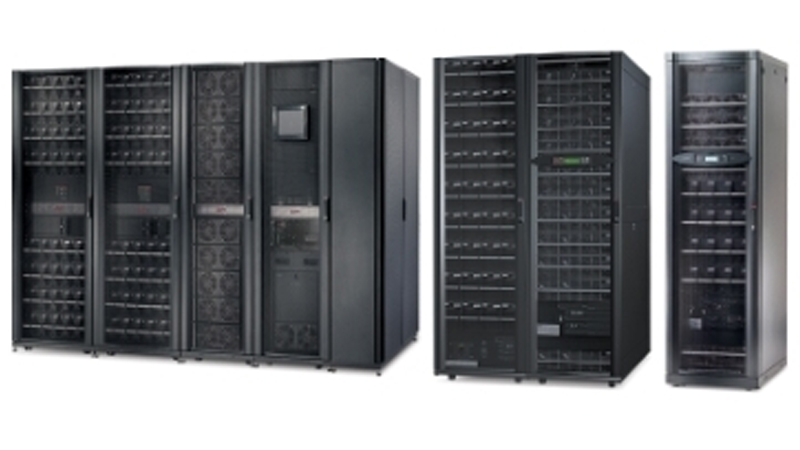
India’s data center industry is growing rapidly across hyperscale, enterprise, colocation, and edge facilities. With increasing digital demand, data center UPS systems in India play a critical role in ensuring uninterrupted operations, data integrity, and service continuity.
A UPS in a data center is not merely a backup device—it is a mission-critical power protection system designed to deliver continuous, clean, and stable power to IT infrastructure under all grid conditions.
Why Data Center UPS Systems Are Essential in India
Power infrastructure in India can experience voltage fluctuations, momentary outages, and regional instability. For data centers, even a short interruption can result in:
Service downtime and SLA violations
Data loss or equipment stress
Reputational and financial impact
A properly designed UPS system isolates IT loads from grid disturbances and ensures continuous availability.
Core Requirements of Data Center UPS Systems
Zero Transfer Time
Data centers require online double-conversion UPS architecture to ensure seamless power delivery without switching delays.
Scalability
IT loads evolve quickly. UPS systems must support future expansion without disrupting live operations.
Redundancy & High Availability
Configurations such as N+1 or parallel redundancy ensure continued operation even during component failures.
High Efficiency
Efficient UPS systems reduce energy losses, cooling demand, and long-term operating costs—an important factor for large Indian data centers.
Modular UPS Architecture for Modern Data Centers
Modular UPS systems are increasingly preferred in India due to their flexibility and lifecycle advantages.
Key benefits include:
Incremental capacity addition
Faster installation and commissioning
Reduced mean time to repair (MTTR)
Maintenance without shutdown
This approach aligns well with phased data center development and capacity planning.
Battery Backup Strategy in Data Centers
The UPS battery system provides the critical bridge between grid failure and generator stabilization.
Important considerations:
Required autonomy duration
Battery room layout and ventilation
Continuous health monitoring
Planned replacement cycles
A robust battery strategy ensures continuity while supporting long-term reliability.
UPS Integration Within the Data Center Power Chain
A data center UPS operates as part of a broader ecosystem that includes:
Utility supply
Generator systems
Power distribution units (PDUs)
Cooling and monitoring infrastructure
Correct integration ensures seamless transitions during power events and predictable behavior during maintenance.
Lifecycle Planning & Maintenance Readiness
Data centers are designed for long operational lifespans. UPS systems must therefore support:
Preventive and predictive maintenance
Component-level serviceability
Monitoring and alert integration
Documentation for audits and operations
Lifecycle-focused planning minimizes unplanned downtime and operational risk.
Compliance & Design Expectations for Data Center UPS Systems in India
In Indian data center projects, UPS systems are evaluated not only on performance but also on alignment with recognized design and operational expectations. These considerations support long-term reliability, safety, and audit readiness.
Typical evaluation expectations include:
Online double-conversion architecture for continuous power quality
Compatibility with Indian grid conditions and generator interfaces
Design practices aligned with applicable electrical and safety standards
Documentation support for commissioning, testing, and maintenance
Serviceability across the full operational lifecycle
Addressing these aspects early enables smoother coordination between consultants, EPC contractors, and facility teams.
When to Engage a UPS Manufacturer
Engaging a UPS manufacturer during the design or planning phase helps:
Validate power architecture assumptions
Align redundancy and scalability with real load behavior
Reduce late-stage design changes
Improve coordination across stakeholders
Early technical engagement supports engineering-led decisions rather than reactive procurement.
Data Center UPS Solutions by VIVATEK
VIVATEK designs and manufactures data center-grade UPS systems engineered for Indian operating conditions.
Our solutions support:
Online double-conversion architecture
Modular scalability
Redundant configurations
Generator and monitoring integration
Reliable long-term operation for mission-critical environments
We work closely with data center owners, consultants, and EPC partners to support power planning, implementation, and lifecycle readiness.
FAQ
1. What is a data center UPS system?
A data center UPS system is a power protection solution that supplies continuous, clean, and stable power to servers and IT infrastructure. It prevents downtime and protects equipment during power interruptions or voltage disturbances.
2. Why are UPS systems critical for data centers in India?
Indian power grids may experience fluctuations, short outages, and regional instability. UPS systems isolate data center equipment from these issues, ensuring uninterrupted operation and protecting service availability.
3. Which UPS architecture is best for data centers?
Data centers typically use online double-conversion UPS systems because they provide zero transfer time and continuous power conditioning, making them suitable for mission-critical IT environments.
4. How is UPS capacity calculated for a data center?
UPS capacity is calculated based on total IT load, expected future expansion, redundancy requirements, efficiency, and runtime needs. Accurate load assessment is essential to ensure reliability without oversizing.
5. What is the role of battery backup in a data center UPS?
Battery backup provides immediate power during grid failure and bridges the time until generators start and stabilize. It also allows controlled shutdown if required.
6. What does N+1 redundancy mean in data center UPS systems?
N+1 redundancy means having one additional UPS module beyond the required capacity. This ensures continuous operation even if one module fails, improving availability and fault tolerance.
7. Can data center UPS systems be expanded in the future?
Yes. Modular UPS systems allow capacity to be increased incrementally as IT loads grow, without interrupting ongoing data center operations.
8. How does a UPS work with generators in a data center?
When utility power fails, the UPS instantly supports the load using batteries while the generator starts. Once the generator stabilizes, the load transfers smoothly, maintaining uninterrupted power.
9. What maintenance is required for data center UPS systems?
Maintenance typically includes routine inspections, battery health checks, functional testing, monitoring of alarms, and periodic servicing to ensure long-term reliability.
10. When should a UPS manufacturer be involved in a data center project?
A UPS manufacturer should be involved during the design or planning phase. Early engagement helps align power architecture, redundancy, scalability, and integration with actual operational requirements.
Conclusion
As India’s digital infrastructure expands, data center UPS systems form the backbone of availability, resilience, and operational confidence. Selecting the right UPS architecture—focused on scalability, redundancy, efficiency, and lifecycle readiness—is essential for long-term success.