
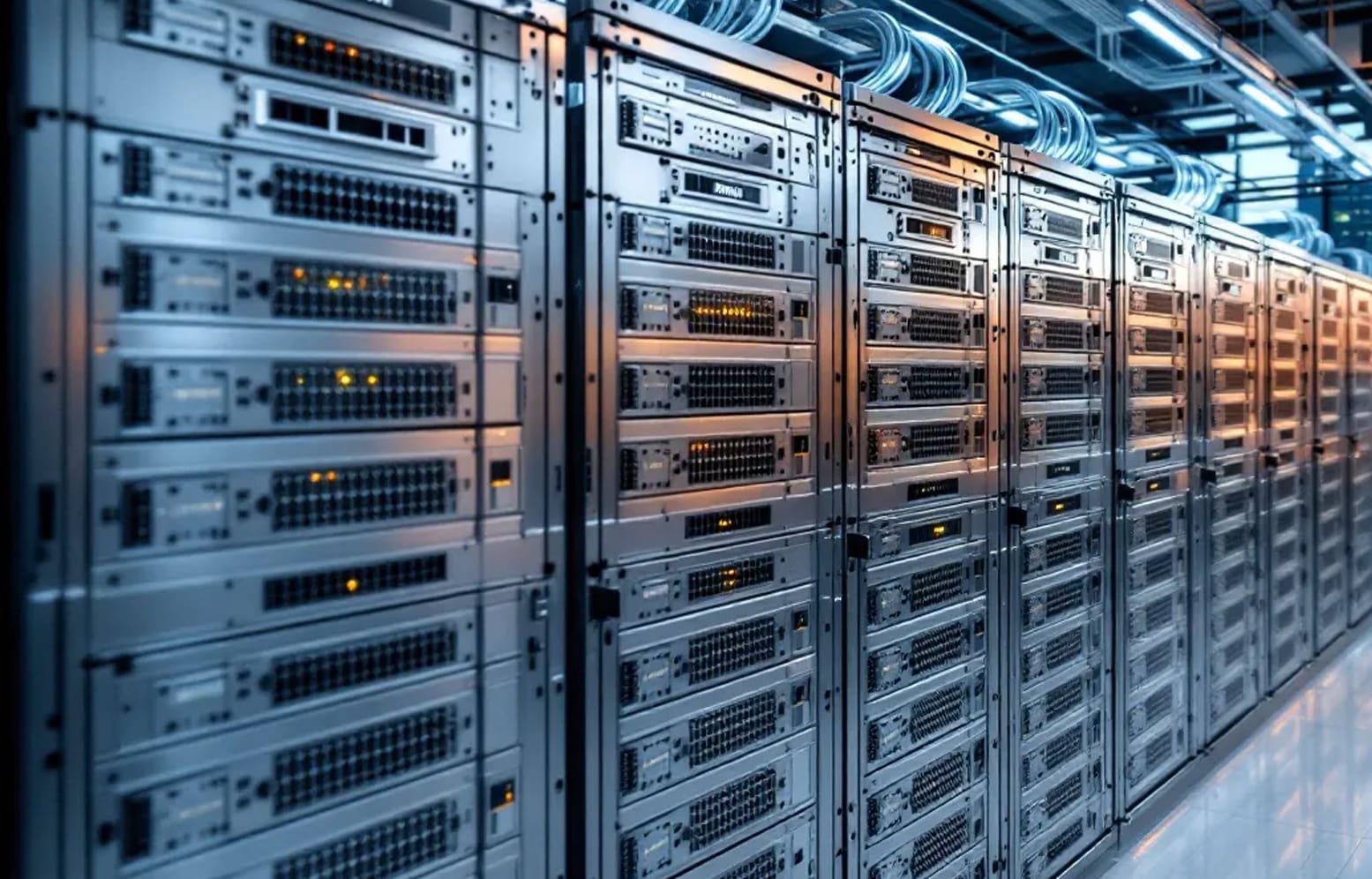
Telecom infrastructure depends heavily on uninterrupted DC power systems. Even a short power interruption can affect mobile towers, broadband networks, data transmission systems, and communication infrastructure. That is why battery chargers play a critical role in telecom applications.
Modern telecom systems require stable DC backup power for continuous network operation during grid failures, voltage fluctuation, and unstable power conditions. Industrial battery chargers help maintain battery banks, support telecom loads, and improve operational reliability across telecom infrastructure.
Why Do Telecom Systems Need Reliable Battery Chargers?
Telecom systems operate 24/7. Power interruption can lead to:
- Network downtime
- Communication failure
- Signal interruption
- Data transmission issues
- Equipment shutdown
- Service complaints
- Operational losses
Battery chargers continuously maintain telecom battery banks in charged condition while supporting connected DC loads.
Without proper battery charging systems, telecom infrastructure may experience unreliable backup performance during power outages.
What Is a Telecom Battery Charger?
A telecom battery charger is a DC power system designed to:
- Charge telecom batteries
- Supply continuous DC power
- Maintain battery backup readiness
- Support telecom equipment during power failure
- Protect batteries from undercharging and overcharging
These chargers are commonly used in:
- Mobile tower infrastructure
- Telecom exchanges
- Broadband communication systems
- Fiber optic networks
- Wireless communication stations
- Data communication infrastructure
How Does a Battery Charger Work in Telecom Infrastructure?
The charger converts AC input power into regulated DC output.
The DC power is then used for:
- Operating telecom equipment
- Charging connected battery banks
During normal power conditions:
- The charger supports telecom loads
- Batteries remain in float charging mode
During power failure:
- Battery banks automatically support the telecom system
This ensures uninterrupted telecom operation.
Common Power Problems in Telecom Infrastructure
Telecom facilities often face difficult power conditions, especially in remote locations.
Common telecom electrical issues include:
| Problem | Operational Impact | Recommended Solution |
|---|---|---|
| Power failure | Network downtime | Battery backup system |
| Voltage fluctuation | Equipment instability | SMPS battery charger |
| Deep battery discharge | Reduced battery life | Intelligent charger system |
| High temperature | Battery damage | Temperature compensated charging |
| Unstable grid supply | Charger failure | Industrial telecom charger |
Why Are SMPS Battery Chargers Preferred for Telecom Applications?
SMPS battery chargers are widely used in telecom systems because they provide:
- High efficiency
- Stable DC output
- Low ripple current
- Fast charging response
- Compact design
- Better energy efficiency
- Reliable continuous operation
Telecom operators prefer SMPS chargers for long-duration operational reliability.
What Should Telecom Operators Check Before Selecting a Battery Charger?
Selecting the wrong charger can affect network uptime and battery life.
Important selection factors include:
Battery Bank Voltage
Common telecom systems use:
- 24V DC
- 48V DC
- 110V DC
Battery Capacity
Battery charger sizing depends on:
- Battery Ah rating
- Backup duration
- Charging time requirement
Load Requirement
The charger must support:
- Telecom equipment load
- Battery charging current
Environmental Conditions
Remote telecom locations may experience:
- High temperature
- Dust
- Humidity
- Unstable power supply
Industrial-grade chargers are preferred for such conditions.
How Do Telecom Battery Chargers Improve Battery Life?
Proper charging significantly improves telecom battery performance.
Intelligent charging systems help by:
- Preventing overcharging
- Avoiding deep discharge conditions
- Maintaining stable float voltage
- Reducing battery heating
- Improving charging efficiency
- Extending backup reliability
Poor charging practices are one of the biggest reasons for battery failure in telecom systems.
Telecom Applications Where Battery Chargers Are Used
Mobile Tower Infrastructure
Battery chargers maintain continuous operation during utility failure.
Telecom Exchanges
Stable DC backup prevents communication interruption.
Fiber Optic Networks
Battery chargers support uninterrupted data transmission infrastructure.
Broadband Communication Systems
Reliable DC systems maintain internet connectivity during outages.
Remote Telecom Stations
Industrial chargers support operations in unstable power environments.
Why Is Battery Backup Critical for Telecom Infrastructure?
Telecom systems cannot tolerate downtime.
Even a few minutes of interruption can affect:
- Mobile communication
- Banking networks
- Emergency communication systems
- Internet connectivity
- Industrial communication systems
Reliable battery chargers help maintain network continuity and operational stability.
Common Battery Charging Problems in Telecom Systems
Battery Not Charging Properly
Possible causes:
- Charger failure
- Loose terminals
- Incorrect voltage setting
Overheating Batteries
Possible causes:
- Overcharging
- Poor ventilation
- High ambient temperature
Low Backup Time
Possible causes:
- Battery aging
- Improper charging current
- Deep discharge cycles
DC Voltage Fluctuation
Possible causes:
- Faulty charger regulation
- Unstable AC input
Regular inspection and preventive maintenance help reduce telecom downtime.
Telecom Infrastructure Battery Charger Maintenance Checklist
| Maintenance Activity | Recommended Frequency |
|---|---|
| Output voltage check | Monthly |
| Battery terminal inspection | Monthly |
| Cooling fan cleaning | Quarterly |
| Charger alarm testing | Quarterly |
| Battery health inspection | Half-yearly |
| DC cable inspection | Half-yearly |
Preventive maintenance improves charger reliability and telecom uptime.
Why Do Remote Telecom Towers Need Reliable DC Charging Systems?
Remote telecom towers often experience:
- Frequent power cuts
- Diesel generator dependency
- Voltage fluctuation
- Extreme weather conditions
Reliable industrial battery chargers help maintain stable telecom operations in such locations.
How Are Telecom Infrastructure Requirements Changing?
Modern telecom systems now require:
- Higher energy efficiency
- Intelligent battery monitoring
- Remote charger diagnostics
- Compact charging systems
- Lithium battery compatibility
- Better thermal management
Telecom infrastructure is becoming more dependent on advanced DC backup systems.
Frequently Asked Questions
Why do telecom systems use battery chargers?
Telecom systems use battery chargers to maintain continuous DC power, support battery backup systems, and prevent communication downtime during power interruptions.
Which battery charger is commonly used in telecom infrastructure?
SMPS battery chargers are commonly used because they provide high efficiency, stable DC output, and reliable continuous operation.
What voltage is commonly used in telecom battery systems?
Most telecom infrastructure uses 48V DC battery systems, although 24V DC and higher voltage systems are also used in some applications.
How does a telecom battery charger improve battery life?
Proper charging prevents overcharging, deep discharge, overheating, and unstable charging conditions, helping improve battery performance and operational life.
What happens if telecom battery charging fails?
Battery charging failure can lead to low backup time, network interruption, communication downtime, and operational instability.
Conclusion
Battery chargers are one of the most important components in telecom infrastructure power systems. Reliable charging systems help maintain uninterrupted communication, improve battery life, reduce operational downtime, and support stable telecom network performance.
As telecom infrastructure continues to expand across remote and urban locations, industries increasingly require efficient, intelligent, and reliable DC charging systems for long-term operational continuity.
Vivatek provides industrial battery charging solutions for telecom infrastructure, communication systems, substations, and industrial DC backup applications across India.
Talk to Our Technical Team
Need help selecting the right telecom battery charger system for your infrastructure, battery bank, or communication network? Our technical team can help you identify the right industrial DC charging solution based on your operational requirements.
📞 Contact: +91 9566117188 / 9841698180
📧 Email: sales@anushri.info
🌐 Website: https://anushri.info/