
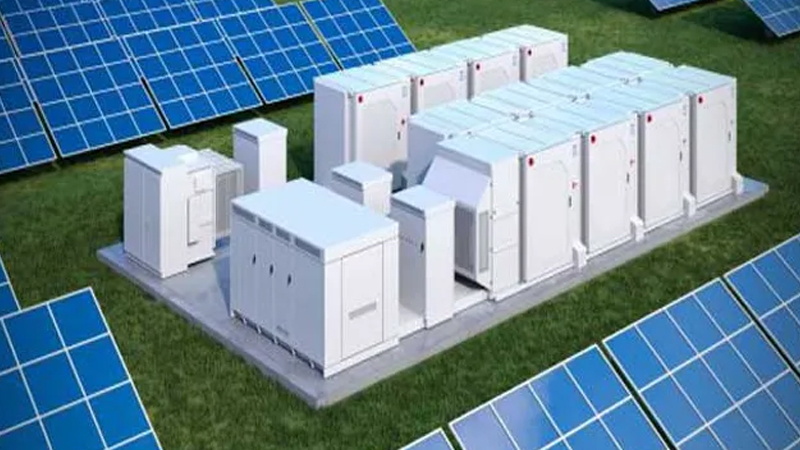
High-Reliability Energy Storage Solutions for Commercial & Industrial Buildings | ASPL
Rising electricity costs, frequent power outages, peak demand penalties, and diesel dependency are major challenges for businesses today. A solar battery storage system helps commercial and industrial buildings store solar energy, ensure uninterrupted power, reduce diesel usage, and gain full control over energy costs.
This blog is written only for high-intent decision makers—business owners, factory heads, CFOs, facility managers, and operations teams—who want reliable power, measurable ROI, and long-term energy security.
Solar Battery Storage System – Quick Overview for Businesses
Best for: Commercial & industrial buildings
Purpose: Power backup, peak shaving, energy optimization
Backup duration: 1 to 8+ hours (customizable)
Works with: On-grid solar, hybrid solar, grid & DG
Key savings: Diesel reduction + demand charge control
Ideal users: Factories, IT parks, hospitals, cold storage, data centers
What Is a Solar Battery Storage System?
A solar battery storage system stores excess electricity generated by solar panels or grid power and supplies it when needed—during outages, peak tariff hours, or night operations.
It allows businesses to:
Capture unused solar power
Store energy safely
Use stored power automatically when required
This converts solar from a daytime solution into a 24×7 business power asset.
Why Businesses Are Installing Solar Battery Storage Systems
Commercial and industrial consumers adopt battery storage to:
Prevent production loss during power cuts
Reduce diesel generator runtime and fuel cost
Lower peak demand charges
Protect sensitive machinery and IT equipment
Improve energy reliability and control
For many organizations, solar battery storage is now a business continuity and cost-control solution.
Who Should Install a Solar Battery Storage System?
A solar battery storage system is ideal if your business:
Faces frequent or unpredictable power outages
Runs critical or continuous-process equipment
Uses diesel generators regularly
Pays high peak demand charges
Wants future energy independence
Industries that benefit most include:
Manufacturing & engineering units
Textile & garment factories
IT parks & data centers
Hospitals & healthcare facilities
Cold storage & food processing
Commercial complexes & campuses
Solar Battery Storage Use Cases for Commercial Buildings
Power Backup for Critical Operations
Ensures uninterrupted production, data protection, and operational continuity.
Peak Load Shaving
Stored energy is used during peak tariff hours to reduce maximum demand charges.
Diesel Generator Reduction
Cuts fuel costs, maintenance expenses, noise, and emissions.
Power Quality Stabilization
Protects sensitive equipment from voltage dips and fluctuations.
Types of Solar Battery Storage Systems
On-Grid Solar with Battery Storage
Stores excess solar energy while remaining connected to the grid.
Hybrid Solar Battery Storage System
Combines solar panels, batteries, and grid power for maximum flexibility.
Battery Energy Storage System (BESS)
Designed for industrial-scale loads, peak shaving, and energy management.
ASPL designs systems based on load profile, backup duration, and ROI goals.
How a Solar Battery Storage System Works
Solar panels generate electricity
Building loads consume power first
Excess energy charges the battery
Stored power is used during outages or peak hours
Grid or DG supports the system when required
The transition is fully automatic and seamless.
How to Size a Solar Battery Storage System for Your Business
Battery sizing depends on:
Connected and critical load (kW)
Required backup duration (hours)
Existing solar plant capacity
Peak tariff window
Future load expansion
Example:
A facility with a 100 kW critical load and 2 hours of backup requires a 200 kWh battery storage system.
ASPL provides a free battery sizing and feasibility study.
Battery Technology for Commercial Solar Storage
ASPL selects battery solutions based on safety, lifecycle, and performance:
High-efficiency lithium-based storage for commercial use
Scalable modular architecture
Advanced battery management systems
Long operational life with stable performance
Technology selection is always application-driven, not generic.
Integration With Existing Solar, Grid & DG Systems
A solar battery storage system can integrate with:
Existing rooftop or ground-mounted solar plants
Utility grid (on-grid or hybrid setup)
Diesel generators (as secondary backup)
Energy monitoring and control systems
Installation is planned to ensure zero disruption to business operations.
Scalability & Future-Ready Design
ASPL designs storage systems that:
Allow modular capacity expansion
Support future load growth
Enable EV charging integration
Work with microgrid and hybrid configurations
Your system grows as your business grows.
Solar Battery Storage Cost vs ROI (What Businesses Should Know)
The cost of a solar battery storage system depends on:
Battery capacity (kWh)
Backup duration
Integration complexity
Safety and monitoring requirements
Instead of upfront cost, businesses should evaluate:
Diesel fuel savings
Reduced downtime losses
Peak demand charge reduction
Long-term operational stability
ASPL delivers a custom ROI and savings analysis before implementation.
Safety, Compliance & Operational Assurance
Every ASPL battery storage system includes:
Advanced battery management systems
Electrical and thermal protection
Isolation and safety controls
Real-time monitoring
This ensures safe, compliant, and reliable long-term operation.
Solar Battery Storage vs Diesel Generator
| Feature | Battery Storage | Diesel Generator |
|---|---|---|
| Noise | Silent | Noisy |
| Fuel cost | None | High |
| Maintenance | Low | High |
| Emissions | Zero | High |
| Response time | Instant | Delayed |
Common Concerns Businesses Have
Is battery storage expensive?
Savings from diesel reduction and peak shaving justify the investment.Is it safe for my facility?
ASPL systems are engineered with multi-layer safety controls.Can capacity be expanded later?
Yes, systems are modular and scalable.
When Is the Right Time to Install Battery Storage?
You should consider installation now if:
Power outages affect productivity
Diesel costs are increasing
Peak tariffs are rising
Energy reliability is business-critical
Delaying installation often results in higher operational losses.
Why Businesses Trust ASPL
Businesses choose ASPL because we offer:
Commercial & industrial energy expertise
Customized solar battery storage solutions
ROI-focused engineering design
Seamless integration and execution
Long-term monitoring and support
We don’t sell batteries—we design energy security solutions.
What Happens After You Contact ASPL?
Power usage and outage assessment
Battery sizing and system design
ROI and savings estimation
Installation and integration
Commissioning and monitoring
No pressure. No obligation. Only clarity.
Frequently Asked Questions – Solar Battery Storage System
Can batteries be added to an existing solar plant?
Yes, ASPL can retrofit battery storage to existing systems.
How long do solar batteries last?
Commercial systems are designed for long operational life with proper usage.
Will battery storage reduce electricity bills?
Yes, by reducing diesel use and peak demand charges.
Is the system automatic?
Yes, charging and discharging are fully automated.
Final Thought
A solar battery storage system is not just backup—it is a business continuity, cost-control, and energy-independence solution.
ASPL partners with businesses that value reliability, safety, and long-term performance.
Get a Free Solar Battery Storage Feasibility Study
If you manage a commercial or industrial facility, ASPL can help you:
Determine ideal battery capacity
Estimate savings and ROI
Design a scalable, safe system
Secure uninterrupted power
📞 Contact ASPL today and future-proof your business energy.