
Reduce factory EB bill Tamil Nadu using industrial solar solutions. Learn how factories can cut electricity costs by 30–50% with rooftop solar before summer.
Reduce factory EB bill Tamil Nadu is becoming a top priority for manufacturing industries as electricity costs continue rising every year. For many factory owners, the EB bill is now one of the largest operating expenses after raw materials and labour.
As summer approaches, electricity consumption increases significantly. Machines run longer hours, cooling systems work harder, and peak demand levels rise. All these factors push electricity bills higher during the March to June period.
Because of this, many industries are now looking for practical ways to reduce factory EB bill Tamil Nadu without affecting production. One of the most effective solutions available today is industrial solar power.
Why Factories Want to Reduce Factory EB Bill Tamil Nadu
Factories across Tamil Nadu are experiencing increasing electricity costs for several reasons.
Rising Electricity Tariffs
Industrial electricity tariffs include multiple cost components such as energy charges, demand charges, and additional regulatory fees. Even small increases in these components can significantly increase total electricity expenses.
Higher Demand Charges
Industrial consumers pay demand charges based on the maximum power load drawn at any time. When several machines start simultaneously, demand levels spike and increase the overall EB bill.
Summer Electricity Consumption
During summer months, factories use additional electricity for ventilation systems, compressors, and cooling equipment. This seasonal increase often leads to higher energy bills.
Because of these factors, industries are actively exploring solutions to reduce factory EB bill Tamil Nadu and stabilize long-term energy costs.
How Solar Power Helps Reduce Factory EB Bill Tamil Nadu
Industrial solar power systems generate electricity directly from sunlight. During daytime hours, solar panels supply power to factory loads and reduce the amount of electricity drawn from the grid.
When properly designed, solar systems can reduce industrial electricity costs by 30–50 percent.
Key advantages include:
• Lower electricity bills
• Reduced dependence on grid power
• Protection against future tariff increases
• Long-term energy cost stability
For many manufacturing industries, installing solar power has become a strategic decision to reduce factory EB bill Tamil Nadu and improve operational profitability.
Rooftop Solar for Manufacturing Units
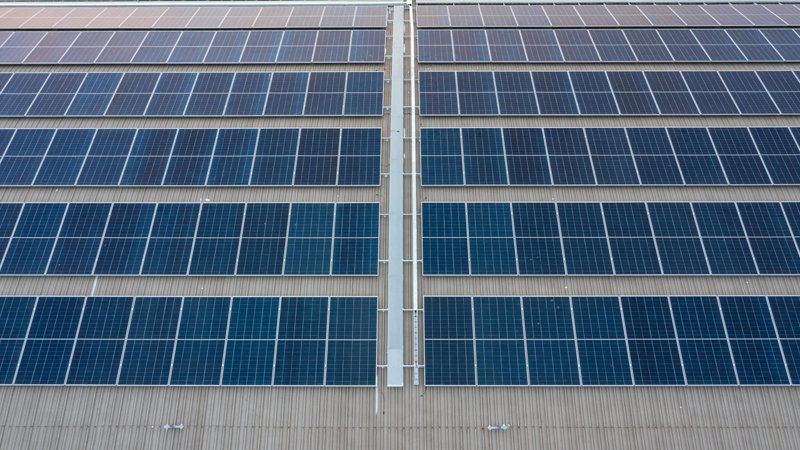
Many factories have large rooftop areas that can be used to install solar panels. Rooftop solar systems are particularly suitable for manufacturing units that operate during daytime hours.
Advantages of rooftop solar include:
• Utilization of unused roof space
• Faster installation compared to ground projects
• Reduced daytime electricity consumption
• Lower operating costs
For many factories, rooftop solar systems achieve investment payback within three to four years, after which the electricity generated significantly reduces operating expenses.
Open Access Solar for High-Consumption Industries
Large industrial facilities with very high electricity consumption may require more solar capacity than rooftop space allows. In such cases, industries can explore open access solar projects.
Open access solar allows factories to purchase electricity from a remote solar plant through the grid. This option can help large industrial consumers further reduce factory EB bill Tamil Nadu when properly structured.
However, open access projects require careful evaluation of charges, policies, and financial feasibility.
Why EB Bill Analysis Is Important Before Installing Solar
Many factories request solar quotations without first analyzing their electricity consumption patterns. However, a proper EB bill analysis is necessary to determine the correct solar capacity.
A detailed analysis helps identify:
• Monthly electricity consumption
• Maximum demand levels
• Tariff structure
• Daytime vs night-time load
• Seasonal usage patterns
Using this information, solar engineers can design the right system to reduce factory EB bill Tamil Nadu effectively and achieve a realistic payback period.
Example: Typical Factory Solar Savings
Consider a manufacturing unit consuming approximately 5 lakh units of electricity per year.
Average electricity tariff: ₹8–₹9 per unit
Annual electricity cost: ₹40–45 lakhs
With a properly designed solar system, a factory could reduce electricity expenses by ₹18–25 lakhs per year.
This demonstrates how solar energy can significantly reduce factory EB bill Tamil Nadu and improve long-term operational efficiency.
Why Many Industries Are Evaluating Solar Before Summer
Many factories evaluate solar solutions before summer because electricity consumption and tariffs increase during this period. Installing solar capacity early helps industries prepare for peak demand months.
Solar evaluation before summer allows factories to:
• Reduce upcoming electricity costs
• Improve energy cost planning
• Stabilize long-term operational expenses
Industries that proactively plan energy strategies are often better positioned to control operating costs.
Industrial Solar Evaluation in Tamil Nadu
The solar division of Anushri Systech Private Limited works with manufacturing industries across Tamil Nadu to evaluate solar feasibility based on electricity consumption patterns.
Solar feasibility evaluation includes:
• EB bill analysis
• Solar capacity recommendation
• Electricity savings estimation
• Payback period calculation
• System feasibility assessment
This approach helps factory owners make informed decisions when planning to reduce factory EB bill Tamil Nadu through solar energy.
How Factories Can Start Reducing Electricity Costs
The first step toward solar adoption is understanding how much electricity your factory consumes and how much solar power can realistically generate.
By reviewing recent electricity bills and consumption patterns, industries can identify opportunities to reduce electricity costs and improve operational efficiency.
Factories that evaluate solar solutions early are often able to significantly reduce factory EB bill Tamil Nadu and maintain stable production costs.
Conclusion
Electricity costs will continue to play a major role in manufacturing profitability. For many industries, reducing electricity expenses has become essential to remain competitive.
Solar power offers factories a practical opportunity to control long-term energy costs and reduce dependence on grid electricity.
Factories that take early action to evaluate solar solutions can position themselves to reduce factory EB bill Tamil Nadu and improve financial performance in the years ahead.