
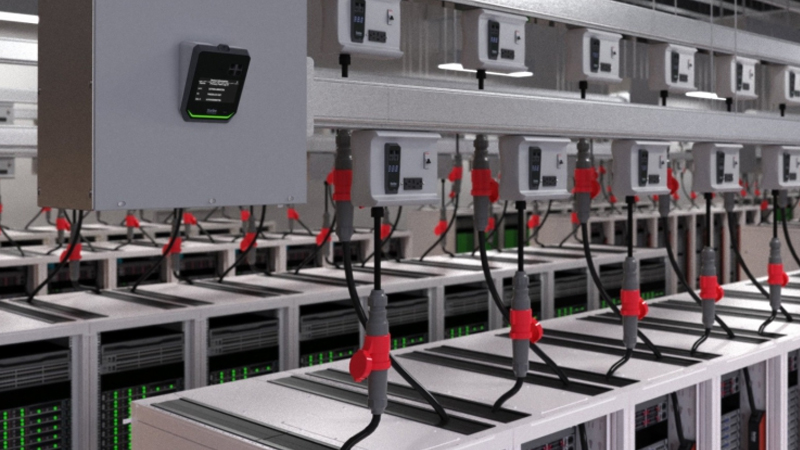
Learn how to increase battery life in UPS systems with proper maintenance, charging, and selection. Reduce failures and improve backup performance.
How to Increase Battery Life in UPS Systems
UPS systems are essential for maintaining uninterrupted power in industries, data centers, telecom networks, and manufacturing units. However, many businesses face frequent battery failures and reduced backup time due to poor maintenance and improper system practices.
Improving UPS battery life is not just about replacing batteries—it’s about using the right methods to ensure long-term performance, reliability, and cost savings.
Why UPS Battery Life Reduces
Understanding the root causes helps prevent early failure:
- High operating temperature
- Improper charging settings
- Deep discharge cycles
- Overloading of UPS systems
- Lack of regular maintenance
👉 These factors significantly reduce battery lifespan and increase operational cost.
1. Maintain Proper Temperature
Temperature is one of the most critical factors affecting battery life.
- High temperature → shortens battery life
- Low temperature → reduces performance
👉 Recommended range: 20°C – 25°C
➡ For high-temperature environments, consider using Ni-Cd batteries.
2. Use Correct Charging Settings
Incorrect charging is a major cause of battery damage.
Avoid:
- Overcharging
- Undercharging
Follow:
✔ Proper float voltage settings
✔ Compatible charging systems
✔ Regular charging inspection
👉 Correct charging improves battery efficiency and lifespan.
3. Choose the Right Battery Type
Selecting the correct battery increases lifespan automatically:
- VRLA batteries → reliable and cost-effective
- Lithium batteries → long life and high efficiency
- Ni-Cd batteries → best for harsh environments
👉 Right selection = fewer failures + longer life
4. Avoid Deep Discharge
Deep discharge cycles reduce battery life drastically.
👉 Best practice:
✔ Maintain proper discharge limits
✔ Avoid frequent full discharge
✔ Ensure timely recharging
5. Perform Regular Maintenance
Routine checks help identify issues early:
- Inspect terminals and connections
- Check voltage and charging status
- Clean battery terminals
- Monitor backup performance
👉 Preventive maintenance reduces unexpected failures.
6. Prevent Overloading
Overloading UPS systems causes:
- Battery stress
- Reduced backup time
- Faster degradation
👉 Always match battery capacity with load requirement.
7. Replace Batteries at the Right Time
Delaying replacement leads to:
- System failure
- Equipment damage
- Downtime
👉 Replace batteries when:
- Backup time reduces
- Frequent alarms occur
- Battery shows physical damage
Quick Summary to Increase UPS Battery Life
| Action | Benefit |
|---|---|
| Maintain temperature | Longer lifespan |
| Proper charging | Stable performance |
| Correct battery type | Reduced failure |
| Regular maintenance | Prevent downtime |
| Avoid overloading | Better efficiency |
Which Battery Lasts Longer in UPS Systems?
- Lithium → Longest life, low maintenance
- Ni-Cd → Durable in harsh environments
- VRLA → Cost-effective and widely used
👉 Choose based on application and environment.
Need Help Improving Your UPS Battery Life?
Improving battery life requires proper system design, correct battery selection, and expert support.
We provide:
✔ UPS battery health check
✔ Battery replacement and upgrade
✔ Load calculation and system optimization
✔ Industrial battery solutions for UPS, solar & substations
➡ Get expert recommendation within 2–6 hours
➡ Reduce battery failure and improve performance
📧 Email: sales@anushri.info
📞 Phone: +91 9841698180 // 9566117188
📍 Address: No.2/27, Luz Avenue 3rd Street,
Mylapore, Chennai – 600004, Tamil Nadu, India
Final Conclusion
Increasing battery life in UPS systems is essential for ensuring reliable power backup, reducing downtime, and minimizing long-term costs. With proper maintenance, correct battery selection, and optimized system design, industries can significantly improve battery performance and operational efficiency.
👉 Vivatek – Reliable Industrial Battery Solutions for Long-Term Performance