
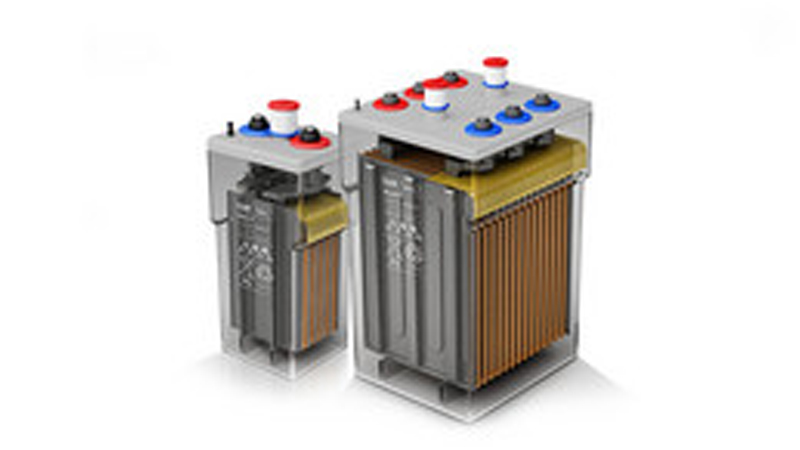
Africa’s industrial ecosystem depends on high-reliability battery systems to support telecom networks, power utilities, mining operations, oil & gas facilities, transportation infrastructure, and renewable energy projects. In environments characterized by high temperatures, unstable grids, remote locations, and continuous-duty operation, FIAMM industrial batteries are widely specified for their proven performance and long service life.
For decision-makers searching for FIAMM battery in Africa, the requirement is not retail availability — it is B2B-grade reliability, correct technical selection, lifecycle performance, and project-ready support.
Vivatek supports FIAMM industrial battery solutions for Africa, working exclusively with industrial, commercial, and infrastructure projects across African countries, states, and major cities.
Why FIAMM Batteries Are Widely Used in Africa
African operating conditions demand batteries that can withstand:
Ambient temperatures of 40–55°C
Frequent power outages and voltage fluctuations
Remote and unmanned installations
Dust, vibration, and harsh industrial environments
Long standby and float-duty cycles
FIAMM batteries are selected across Africa because they deliver stable, predictable performance where generic batteries fail.
Key Advantages of FIAMM Industrial Batteries
Proven reliability for mission-critical infrastructure
Long design life for standby and float applications
Low maintenance requirements
Strong performance in high-temperature regions
Compatibility with industrial DC and UPS systems
Vivatek – B2B FIAMM Battery Partner for Africa
Vivatek operates as a pure B2B industrial battery solutions provider, supporting FIAMM battery requirements for projects across Africa and surrounding regions.
We work with:
EPC contractors
Power utilities and substations
Telecom operators and tower companies
Mining and heavy industries
Oil & gas and infrastructure projects
Solar and hybrid energy developers
⚠️ Important:
We do not supply residential or retail batteries. Our focus is strictly industrial and commercial applications.
Industrial Applications of FIAMM Batteries in Africa
Telecom Towers & Network Infrastructure
FIAMM batteries are widely deployed for:
Mobile BTS and telecom towers
Switching centers and transmission facilities
Rural and off-grid communication sites
They ensure continuous network uptime across urban and remote African regions.
Power Utilities & Substations
FIAMM batteries support:
Substation DC systems
Protection and relay panels
SCADA and control systems
They provide fail-safe DC power essential for grid safety and reliability.
Mining & Heavy Industrial Operations
Mining operations across Africa rely on FIAMM batteries for:
Control and monitoring systems
Emergency backup power
Harsh, vibration-prone environments
Their robustness makes them suitable for mining zones and heavy industry.
Oil, Gas & Infrastructure Projects
FIAMM batteries are used in:
Oil & gas facilities and refineries
Transportation and infrastructure systems
Safety and control applications
They support mission-critical operations where failure is not an option.
Solar & Hybrid Energy Systems
FIAMM batteries are applied in:
Solar hybrid power plants
Utility-scale renewable projects
Industrial microgrids
They perform reliably under float, cyclic, and hybrid duty conditions.
African Countries, States & Cities We Support
Vivatek supports FIAMM battery projects across Africa, enabling strong country-, state-, and city-level search visibility.
East Africa
Kenya – Nairobi, Mombasa, Kisumu
Tanzania – Dar es Salaam, Arusha, Mwanza
Uganda – Kampala, Jinja
Ethiopia – Addis Ababa, Dire Dawa
Rwanda – Kigali
West Africa
Nigeria – Lagos, Abuja, Port Harcourt, Ibadan
Ghana – Accra, Kumasi, Takoradi
Senegal – Dakar
Côte d’Ivoire – Abidjan
Southern Africa
South Africa – Johannesburg, Pretoria, Cape Town, Durban
Zambia – Lusaka, Kitwe, Ndola
Zimbabwe – Harare, Bulawayo
Botswana – Gaborone
North Africa
Egypt – Cairo, Alexandria, Suez
Morocco – Casablanca, Rabat, Tangier
Algeria – Algiers, Oran
Central Africa
Democratic Republic of the Congo – Kinshasa, Lubumbashi
Cameroon – Douala, Yaoundé
Why Industrial Buyers Prefer FIAMM Batteries
In African industrial environments, battery failure leads to network downtime, production loss, and safety risk. FIAMM batteries are preferred because they offer:
Stable performance in extreme climates
Long service life with predictable behavior
Low total cost of ownership over the lifecycle
High reliability for telecom and utility applications
This makes FIAMM batteries a preferred choice for EPC contractors, utilities, and telecom operators across Africa.
FIAMM Battery Replacement & Retrofit Projects
Many African facilities operate aging battery systems. Vivatek supports:
Replacement of existing battery banks
Retrofit into existing DC and UPS systems
Capacity upgrades for expanding operations
This enables system upgrades without full infrastructure replacement.
Export, Logistics & Project Support for Africa
Vivatek supports export-oriented FIAMM battery supply, including:
Project-based bulk dispatch
Industrial export packing
Coordination with EPC schedules
Documentation support for cross-border shipments
This ensures on-time delivery to ports, industrial zones, and remote project sites.
Compliance, Safety & Industrial Standards
FIAMM battery projects supported by Vivatek include:
Technical documentation and submittals
Installation and commissioning guidance
Support during audits and evaluations
This is critical for utilities, telecom operators, mining companies, and government-linked projects.
Final Call to Action – Industrial Enquiries Only
If you are planning or operating an industrial project in Africa and require FIAMM battery solutions for telecom, utilities, mining, infrastructure, or solar hybrid systems:
👉 Please share:
Country, state, and city
Application type
System voltage
Required backup duration
Vivatek’s technical team will respond with a project-ready FIAMM battery solution engineered for African operating conditions.
FAQ
Q1: Are FIAMM batteries suitable for high-temperature African environments?
Yes. FIAMM industrial batteries are designed for reliable operation in high ambient temperatures commonly found across Africa.
Q2: Can FIAMM batteries be used for telecom towers and substations in Africa?
Yes. FIAMM batteries are widely used for telecom BTS sites, switching centers, and substation DC systems.
Q3: Do you support FIAMM battery replacement projects in Africa?
Yes. Vivatek supports replacement and retrofit of existing battery systems without disrupting operations.
Q4: Do you supply FIAMM batteries for mining and oil & gas projects?
Yes. FIAMM batteries are suitable for harsh environments such as mining, oil & gas, and heavy industrial applications.
Q5: Is this service available for residential or small retail buyers?
No. Vivatek works only with industrial, commercial, and infrastructure projects.
Conclusion
Searching for FIAMM battery in Africa is not just about sourcing batteries — it is about choosing a technical partner who understands African industrial realities.
With a strong B2B focus, application-driven expertise, and support for FIAMM industrial battery solutions, Vivatek enables reliable power for critical infrastructure, utilities, telecom, mining, and renewable energy projects across Africa and surrounding regions.