
Reduce Power Costs, Control Demand Charges & Ensure Uninterrupted Operations | ASPL
Energy costs and power reliability are critical challenges for factories in India. Rising electricity tariffs, peak demand penalties, grid instability, and diesel dependency directly impact production costs and profitability.
Energy storage solutions for factories are no longer optional—they are a strategic asset. When engineered correctly, factory energy storage systems help reduce electricity bills, stabilize power supply, maximize solar utilization, and protect operations from grid uncertainties.
This blog is written for factory owners, plant heads, operations managers, and decision-makers looking for real savings and reliable execution, not theoretical solutions.
Is an Energy Storage Solution Right for Your Factory?
Energy storage delivers the highest value if your factory:
Pays high peak demand charges
Faces power cuts, voltage fluctuations, or grid instability
Uses or plans to install solar power
Operates critical or continuous production machinery
Wants predictable long-term energy costs
👉 If two or more of the above apply, an energy storage solution can significantly improve your factory’s energy economics.
ASPL evaluates technical and financial suitability before recommending any system.
What Are Energy Storage Solutions for Factories?
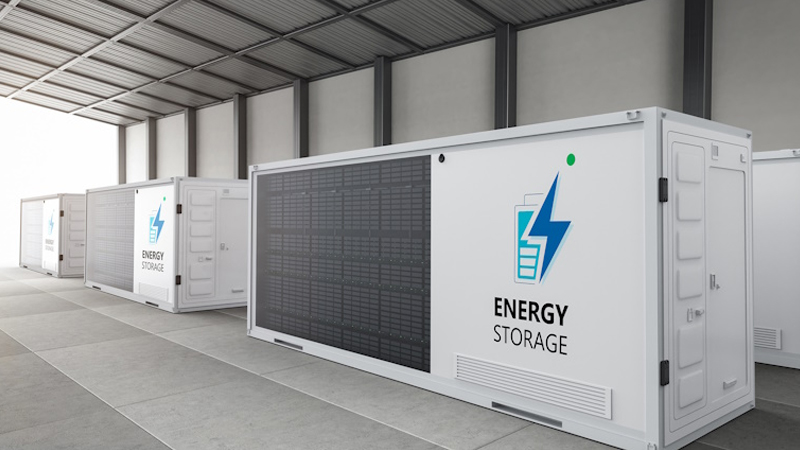
An energy storage system (ESS) stores electricity and releases it when required. In factories, energy storage is typically integrated with:
Grid power
Solar power plants
Diesel generators (as backup optimization)
Factory energy storage systems are designed to handle high loads, industrial safety standards, and long operating hours—very different from residential batteries.
What Problems Energy Storage Solves for Factories
Without Energy Storage
High peak demand penalties every billing cycle
Solar power exported at low value or wasted
Heavy dependence on diesel generators
Production downtime during grid outages
With ASPL Energy Storage Solutions
Peak load shaving and demand charge reduction
Maximum utilization of solar energy
Reduced diesel consumption and maintenance
Stable, uninterrupted factory operations
👉 Energy storage converts energy from an uncontrollable cost into a managed asset.
Key Benefits of Energy Storage Solutions for Factories
1. Peak Demand Reduction
Energy storage discharges during peak load periods, significantly reducing demand charges imposed by utilities.
2. Maximum Solar Utilization
Excess solar power is stored instead of exported, increasing self-consumption and ROI.
3. Power Backup for Critical Loads
Ensures uninterrupted operation of essential machinery during grid failures.
4. Reduced Diesel Generator Usage
Lowers fuel costs, emissions, and generator wear.
5. Grid Stability & Power Quality
Protects sensitive equipment from voltage fluctuations and outages.
Types of Energy Storage Systems Used in Factories
ASPL designs factory energy storage systems based on load profile and operational goals:
Lithium-ion battery energy storage systems (BESS)
Solar + battery hybrid systems
Grid-interactive storage systems
Peak shaving & demand management systems
Each solution is engineered for LT or HT factory connections, safety compliance, and long-term reliability.
Financial Impact & ROI for Factory Energy Storage
A properly designed factory energy storage system typically delivers:
Demand charge reduction: 10%–40%
Diesel cost reduction: 30%–80%
Solar utilization improvement: 20%–50%
Typical payback period: 3–6 years
Asset life: 10–15+ years (battery-dependent)
After payback, energy storage continues to generate pure operational savings.
Why Delaying Energy Storage Costs Factories Every Month
Factories that delay energy storage continue to lose money due to:
Rising electricity tariffs
Increasing demand charges
Underutilized solar generation
Avoidable diesel expenses
These losses cannot be recovered later.
👉 Every month without energy storage is a permanent financial loss.
How ASPL Designs Energy Storage Solutions for Factories
ASPL follows an engineering-first approach, not a product-selling model.
Our process includes:
Detailed load and tariff analysis
Peak demand and solar utilization study
Right-sizing battery capacity
LT / HT system engineering
Grid-compliant protection design
Safety-first installation
Performance-focused commissioning
We design systems that work in real factory conditions, not brochure scenarios.
Trusted for Industrial & Factory Energy Projects
ASPL specializes exclusively in commercial and industrial energy systems, including:
Manufacturing plants
Process industries
Warehouses & logistics facilities
Industrial campuses
✔ Designed for industrial safety
✔ Engineered for long-term performance
✔ Focused on measurable ROI
What ASPL Supports (and What We Don’t)
ASPL Supports:
Factory & industrial energy storage systems
Solar + battery hybrid solutions
Demand charge optimization
Long-term performance monitoring
ASPL Does NOT Support:
Residential battery systems
Small UPS-type installations
Price-only projects without ROI focus
This ensures every project delivers real business value.
How Energy Storage Improves Factory Power Quality
Factories often face hidden power issues that increase maintenance costs and downtime. Energy storage systems help stabilize:
Voltage fluctuations
Frequency variations
Sudden load spikes
Sensitive equipment performance
By smoothing power supply, energy storage protects:
CNC machines
PLC-controlled equipment
Automation lines
IT and control systems
This results in lower equipment failure, reduced maintenance, and higher production stability.
Energy Storage vs Diesel Generators for Factories
Many factories still rely heavily on diesel generators for backup and peak support. Energy storage provides a cleaner, more economical alternative.
Diesel Generator Limitations
High fuel and maintenance costs
Noise and emissions
Manual operation and start delays
Inefficient for short-duration peaks
Energy Storage Advantages
Instant response (milliseconds)
Lower operating cost
Silent operation
Automated load management
👉 Energy storage does not always replace generators—but it significantly reduces their runtime and fuel consumption.
Factory Use Cases Where Energy Storage Delivers Maximum ROI
Energy storage solutions are especially valuable for factories with:
High peak-to-average load ratio
Shift-based operations
Solar plants with export restrictions
Unreliable grid supply
Frequent short-duration outages
Industries that benefit most include:
Manufacturing & engineering units
Textile & spinning mills
Cold storage & food processing
Pharmaceuticals & chemicals
Automotive & component manufacturing
Safety & Compliance in Factory Energy Storage Systems
Industrial energy storage systems must meet strict safety and compliance standards.
ASPL ensures:
Electrical protection coordination
Fire safety and thermal management
Grid-compliant control systems
Proper earthing and isolation
Industrial-grade enclosures
This ensures:
Utility acceptance
Insurance compliance
Safe long-term operation
Safety is engineered—not added later.
Scalability & Future Expansion
Energy storage systems designed by ASPL are modular and scalable.
This allows factories to:
Start with a smaller system
Expand battery capacity later
Integrate future solar additions
Adapt to tariff or production changes
Your energy infrastructure grows with your business, not against it.
Energy Storage as a Long-Term Strategic Asset
Beyond cost savings, energy storage helps factories:
Improve energy resilience
Reduce carbon footprint
Prepare for future grid regulations
Support sustainability and ESG goals
Energy storage is not just an expense—it is an infrastructure investment that strengthens operational control.
Common Mistakes Factories Make with Energy Storage
Many projects fail to deliver ROI due to:
Incorrect battery sizing
Ignoring demand profile analysis
Using residential-grade components
Poor integration with solar and grid
No long-term performance planning
ASPL avoids these mistakes through engineering-led design and execution.
Final Reminder for Factory Decision-Makers
Energy storage is most effective when:
Designed around your actual load profile
Integrated with solar and grid intelligently
Installed by an industrial-focused partner
Planned for long-term performance—not short-term pricing
👉 A poorly designed system can lock you into years of underperformance.
📞 Take control of your factory’s power costs today.
Share your electricity bill with ASPL and receive a FREE energy storage feasibility & ROI assessment, including:
Demand charge reduction potential
Solar integration strategy
Battery sizing recommendation
Payback and savings estimate
✔ Free
✔ Confidential
✔ Engineering-driven
Is Energy Storage the Right Investment for Your Factory?
Energy storage is ideal if your factory:
Pays ₹1 lakh+ per month in electricity bills
Operates during peak tariff periods
Uses or plans rooftop or ground-mounted solar
Wants long-term energy cost control
Requires reliable power for critical operations
👉 If this matches your factory, ASPL can design a high-ROI energy storage solution.
Final Call to Action
Energy storage is no longer just backup—it is a strategic energy investment for factories.
📞 Contact ASPL today to receive your FREE energy storage feasibility & ROI assessment and take control of your factory’s power costs.