
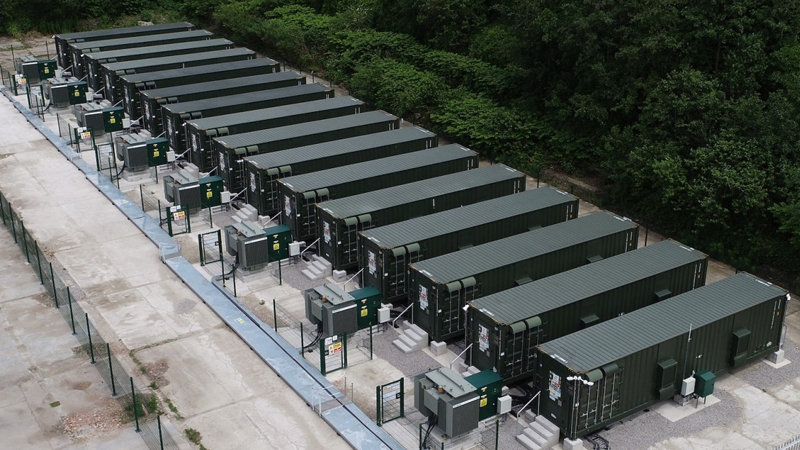
India’s power ecosystem is evolving rapidly. With rising renewable energy penetration, grid instability, peak demand charges, and increasing energy costs, Battery Energy Storage Systems (BESS) in India have become a critical infrastructure asset for industrial, commercial, and utility-scale projects.
For decision-makers searching for a battery energy storage system in India, the requirement goes far beyond equipment supply. What industries need is application-specific system design, lifecycle reliability, financial clarity, and B2B project execution support.
Operates as a pure B2B industrial energy storage solutions partner, supporting battery energy storage system projects in India with technically engineered, project-ready solutions.
What Problems Does a Battery Energy Storage System Solve?
Industrial and infrastructure projects typically deploy BESS to solve real operational and financial challenges, including:
High peak demand charges from utilities
Power interruptions affecting production and safety
Underutilized solar generation
Dependence on diesel generators
Power quality issues impacting sensitive equipment
A properly designed battery energy storage system converts energy into a controllable, dispatchable resource, improving both reliability and cost efficiency.
Why Battery Energy Storage Systems Are Critical in India
India’s grid conditions present unique challenges:
Peak and time-of-day tariffs
Renewable intermittency
Voltage fluctuations and outages
Growing industrial energy demand
Key Benefits of BESS
Reliable backup power during grid outages
Peak load shaving and demand charge reduction
Improved solar self-consumption
Grid stabilization and power quality support
Long-term energy cost optimization
B2B Battery Energy Storage System Solutions Partner
Works exclusively with industrial and commercial projects.
❌ No residential or retail systems.
We support:
Industrial manufacturing plants
Commercial campuses and institutions
EPC and infrastructure projects
Solar and hybrid energy systems
Our approach is:
Engineering-driven
Project-specific
Lifecycle-focused
Applications of Battery Energy Storage Systems in India
Industrial & Manufacturing Facilities
Backup for critical processes
Peak demand management
Load shifting during tariff peaks
Solar & Renewable Energy Projects
Solar + battery hybrid plants
Energy shifting (day-to-night usage)
Improved renewable utilization
Infrastructure & Utility Projects
Grid support and stabilization
Control, protection, and safety systems
Mission-critical installations
Commercial & Institutional Facilities
IT parks, airports, hospitals
Campus-wide energy optimization
Battery Technologies Used in BESS
Lithium-Ion Batteries
High energy density
Long cycle life
Fast response and recharge
Ideal for daily cycling and peak shaving
Industrial VRLA / Specialized Batteries
Used in specific control power or backup-focused applications
Selected based on duty cycle and environment
Selects battery technology based on application profile, not generic preference.
Typical Battery Energy Storage System Configurations
BESS solutions in India are commonly deployed as:
Modular rack-based battery systems
Skid-mounted energy storage systems
Containerized battery energy storage systems
System architecture is defined by:
Power rating (kW / MW)
Energy capacity (kWh / MWh)
Inverter and EMS integration
Scalability for future expansion
Grid-Interactive & Hybrid Operation
Battery Energy Storage Systems enable:
Solar + grid + battery hybrid operation
Peak load shaving
Backup during grid failures
Improved grid interaction and stability
These capabilities reduce grid dependency while maintaining operational continuity.
Daily Cycling Performance & Degradation Profile
Unlike backup-only systems, most BESS installations operate with frequent or daily cycling.
Lithium-based BESS solutions are preferred because they offer:
High cycle life under daily operation
Stable performance at partial state-of-charge
Predictable, linear degradation
This ensures long-term energy availability without unexpected capacity loss.
Why BESS Is Preferred Over Generator-Only or VRLA-Based Systems
Industrial projects increasingly deploy BESS because:
Diesel generators have high fuel and maintenance costs
VRLA batteries degrade rapidly under frequent cycling
BESS enables energy optimization, not just backup
Lower emissions and improved sustainability
For modern energy systems, BESS delivers both operational and financial value.
ROI & Payback Expectations for BESS Projects
Industrial buyers typically evaluate BESS based on:
Peak demand charge reduction
Diesel fuel savings
Improved solar utilization
Reduced downtime costs
Depending on application and usage profile, battery energy storage systems can deliver measurable ROI while improving power reliability.
Operation, Monitoring & Maintenance
Modern BESS solutions are designed for low operational overhead.
Typical features include:
Integrated Battery Management System (BMS)
Energy Management System (EMS) monitoring
Predictable performance and degradation
Minimal routine maintenance
Common Mistakes to Avoid in BESS Design
Industrial projects should avoid:
Undersizing storage capacity
Ignoring cycling and duty profiles
Selecting batteries without proper EMS integration
Overlooking thermal management
Designing without future expansion in mind
Proper engineering ensures predictable performance and long service life.
Replacement, Expansion & Upgrade Projects
Supports:
Adding storage to existing power systems
Solar-only to solar + storage upgrades
Capacity expansion for growing loads
Retrofit into existing electrical infrastructure
This allows energy systems to evolve without full redesign.
Compliance, Safety & Project Support
Industrial BESS projects require strict safety and compliance standards.
Supports:
Technical documentation and submittals
Installation and commissioning guidance
Support during EPC reviews, audits, and evaluations
Focus on Total Cost of Ownership (TCO)
For industrial buyers, BESS value is measured across its lifecycle:
Service life and degradation
Maintenance effort
Replacement cycles
Energy savings and downtime reduction
Recommendations prioritize long-term operational value, not just upfront cost.
Is a Battery Energy Storage System (BESS) Right for Your Project?
A Battery Energy Storage System is typically the right solution if your facility faces one or more of the following conditions:
High peak electricity demand charges
Frequent grid interruptions or voltage instability
Increasing diesel generator operating costs
Underutilized solar generation during daytime
Mission-critical operations that cannot tolerate downtime
Industrial buyers usually evaluate BESS when energy reliability, operational continuity, and long-term cost control become strategic priorities rather than optional upgrades.
Typical BESS Project Evaluation & Deployment Timeline
Industrial and infrastructure BESS projects generally follow a structured decision process:
Initial Feasibility Assessment
Load profile review, solar integration feasibility, and energy cost analysisSystem Sizing & Engineering
Storage capacity, discharge duration, inverter compatibility, and control logicCommercial & Financial Evaluation
Capital cost, expected ROI, and lifecycle operating costInstallation & Commissioning
Integration with existing electrical infrastructure and testingOperational Monitoring & Optimization
Ongoing performance tracking and system optimization
Early technical engagement significantly reduces redesign risk and deployment delays.
Common Mistakes to Avoid in BESS Planning
Industrial buyers often face challenges when BESS is treated as a product instead of a system.
Common issues include:
Oversizing or undersizing storage capacity
Ignoring daily cycling requirements
Inadequate thermal design for Indian conditions
Poor integration with solar or grid infrastructure
Selecting systems based only on upfront cost
A correctly engineered BESS focuses on system performance and lifecycle value, not just battery capacity.
Why Early Technical Consultation Matters
Battery Energy Storage Systems directly interact with electrical, solar, and control infrastructure.
Engaging technical experts early helps ensure:
Correct technology selection
Optimized system sizing
Future scalability
Compliance with project and safety standards
This approach prevents costly retrofits and ensures predictable long-term performance.
Who Should Consider This Solution
This solution is designed specifically for:
Manufacturing plants
Industrial campuses
Infrastructure facilities
Renewable energy developers
EPC contractors
Utility-linked and captive power projects
❌ Not intended for residential or small consumer installations.
Information Required for Accurate BESS Support
To receive a technically accurate recommendation, enquiries should include:
Location (India – city/state)
Application type (industrial, solar, infrastructure, utility)
Connected load and peak demand
Required backup duration
Existing solar or grid configuration
Project stage (planning / execution / upgrade)
Providing these details enables precise system design rather than generic quotations.
Conclusion
Deploying a Battery Energy Storage System in India is no longer just about backup—it is about energy optimization, reliability, and future-ready infrastructure.
With a pure B2B focus, application-driven engineering, and comprehensive project support, Helps industrial, commercial, and infrastructure projects implement reliable, scalable, and high-performance battery energy storage systems aligned with India’s evolving energy landscape.